Top 10 Liquid Ring Vacuum Pump Manufacturers Worldwide
A liquid ring vacuum pump is often chosen for work involving wet gas, vapor, or occasional liquid carryover. Its simple operating principle can suit demanding industrial conditions, but no single design fits every plant. Buyers must look beyond headline capacity. Seal-liquid compatibility, operating temperature, corrosion resistance, energy use, noise, and access to maintenance support all matter. Small details count. A drain connection, a clear service manual, or a nearby parts supplier may affect daily reliability more than a polished brochure suggests.
This guide introduces ten manufacturers with established roles in the worldwide vacuum market. It considers their product ranges, engineering strengths, application focus, and support networks, using publicly available company and product information as a starting point. The list is intended to help readers compare options, not to declare one universal winner. Specifications can change by model and region, so confirm performance curves, materials, certifications, and service terms directly with each supplier. A pump may look right on paper and still disappoint in a real installation. That uncertainty deserves attention. Plant layout, process changes, and operator habits can alter the result, too. Use the comparison to frame better questions, then match the equipment to the actual duty. A little skepticism is healthy.
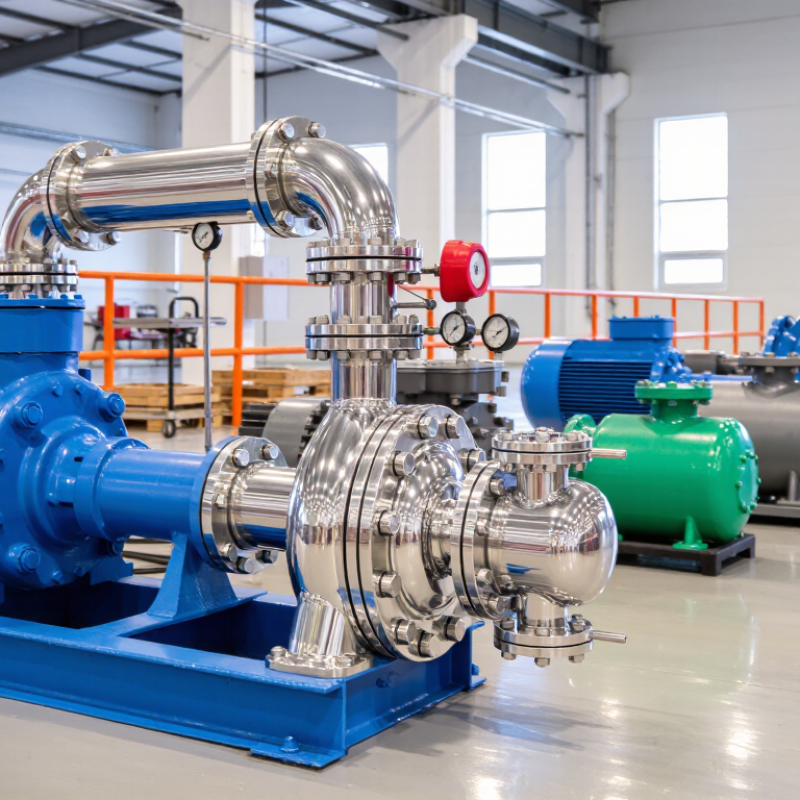
How Liquid Ring Vacuum Pumps Work
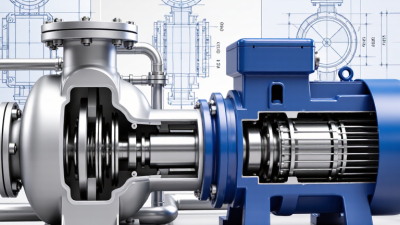
A liquid ring vacuum pump uses a rotating impeller and a small amount of seal liquid to move gas. The impeller sits off-center inside a round casing. As it spins, the liquid forms a ring against the casing wall. The spaces between the blades grow and shrink as they pass the inlet and outlet ports.
Gas enters through the inlet when a blade space expands. As that space narrows, the gas is compressed and discharged.
The seal liquid also absorbs heat and helps limit leakage between blade spaces. That is the basic cycle. In practice, the neat diagram hides a messy detail: liquid temperature and flow can affect performance.
Operators may check the liquid supply, listen for unusual vibration, and watch discharge temperature. A clear sight glass helps, but it does not tell the whole story.
If the process gas contains vapor, its behavior depends on operating conditions and the seal liquid. The pump is often valued for handling wet gas, yet that does not make every liquid or process suitable. Selection needs real operating data, not just a broad claim about vacuum level.
Criteria for Evaluating Global Manufacturers
A credible comparison of liquid ring vacuum pump manufacturers starts with operating evidence, not catalog claims. Check the stated suction pressure, capacity, and power draw at the conditions your process actually uses. A pump rated at one inlet pressure may perform differently when gas temperature or seal-liquid temperature changes. Ask for test curves and confirm the measurement method. Numbers can mislead.
Construction details matter in wet or corrosive service. Review casing and impeller materials, shaft sealing, and the recommended seal liquid. Ask how the design handles solids, vapor, and temperature swings. A useful supplier can explain maintenance intervals and identify wear parts without vague promises. Look for documented factory testing, traceable quality procedures, and clear technical support routes. These details matter when a shutdown lasts hours, not days.
Also assess delivery reliability, spare-part availability, and field service coverage near the installation. Request references from applications with similar gas composition and duty cycle. Then compare lifecycle costs, including water use, energy demand, and routine inspection time. A low purchase price can hide recurring costs. Still, no scorecard is flawless; published data may omit real operating limits, and reference cases may not match your plant. Treat unanswered technical questions as part of the evaluation, not as minor paperwork.
Ten Leading Liquid Ring Vacuum Pump Manufacturers Worldwide
Ten leading liquid ring vacuum pump manufacturers worldwide serve industries that need steady vacuum under humid or vapor-rich conditions. Their equipment is commonly considered for chemical processing, food production, and paper manufacturing. The basic design uses a rotating impeller and liquid seal, often water, to move gas through the pump. It is a practical arrangement, but performance depends on the process and the sealing liquid.
When comparing manufacturers, check operating curves at the required suction pressure, not just the headline capacity. Review liquid temperature, vapor load, materials, and expected corrosion exposure. A pump handling warm, wet gas may need different materials and cooling than one used for clean air. Small details matter. Ask how the supplier supports installation, commissioning, spare parts, and routine maintenance. Service access can save hours when a seal or bearing needs attention. No catalog answers everything. I would still want application data reviewed by an engineer before selecting a unit. Published performance figures may rely on test conditions that differ from a real plant, so clarify assumptions and request relevant operating references. The strongest manufacturers earn confidence through transparent specifications and support, not impressive claims alone.
Comparing Manufacturer Designs, Capacities, and Markets
Comparing liquid ring vacuum pump manufacturers is less about finding one universally superior design. Single-stage units can suit steady, moderate-vacuum duties, while multistage configurations may reach lower pressures. Seal-liquid temperature, gas composition, and entrained droplets can change performance substantially. Across industrial catalogues, rated capacities range from tens to several thousand cubic metres per hour. Treat those figures as selection points, not guarantees: capacity depends on suction pressure and operating conditions. ISO 21360-2 provides standardized methods for measuring positive-displacement vacuum-pump performance. Small details matter.
Market fit varies with the process. Chemical plants often prioritize corrosion-resistant materials and tolerance of wet gas; food and paper operations may emphasize cleanability or continuous service. Regional choices also reflect water availability, energy costs, and local maintenance skills. The U.S. Department of Energy’s Improving Pumping System Performance sourcebook estimates that pumping systems use nearly 20% of global electricity demand. That figure covers pumping broadly, not liquid ring vacuum pumps alone. Still, it explains why buyers compare motor efficiency, seal-water circulation, and operating cost alongside purchase price. A carefully matched pump can run reliably, but poor sizing wastes energy. And published capacity curves rarely capture every site’s real gas load.
Liquid Ring Vacuum Pump Designs: Indicative Ultimate Pressure
A design-level comparison of approximate ultimate pressure, not a manufacturer ranking. Lower absolute pressure indicates a deeper vacuum.
Indicative reference values: single-stage pumps are often specified near 33 mbar absolute, two-stage designs can reach around 25 mbar, and ejector-assisted systems may reach approximately 10 mbar. Actual performance varies with seal-liquid temperature, gas composition, and operating conditions; check individual equipment specifications.
How to Choose a Manufacturer for a Specific Application
Choosing a liquid ring vacuum pump manufacturer
starts with the actual process, not a catalog headline. Record the required suction pressure, flow rate, gas temperature, and operating hours. Note whether the stream carries water vapor, dust, or corrosive compounds. Small details matter. A pump handling warm, humid gas may need different seal-fluid control than one serving a dry packaging line.
Ask manufacturers to confirm performance at your operating point, including seal-fluid temperature and discharge pressure. A curve without these conditions can be misleading. Request material recommendations for every wetted component, plus details on corrosion allowances and elastomer compatibility. For a plant with frequent starts, ask about startup limits and expected maintenance intervals. Get references from installations with similar gas composition and duty cycles. A polished datasheet is not enough.
Service support deserves the same scrutiny as pump selection. Check whether technicians can help with commissioning, vibration checks, and seal-fluid troubleshooting. Ask how spare parts are identified and how quickly common items can be supplied. If possible, review a test report with measured flow, vacuum level, and power consumption. It may not match your site perfectly. That uncertainty should be discussed openly, not hidden behind a single efficiency figure. Compare the assumptions, then choose a manufacturer willing to explain what changes when real conditions differ.