I can’t responsibly provide a sourced industry statistic or attribute a quotation to an oil vacuum pump expert because no articles or verified expert quotation were included. Please share the source material, and I can write the requested introduction without inventing facts or quotes.
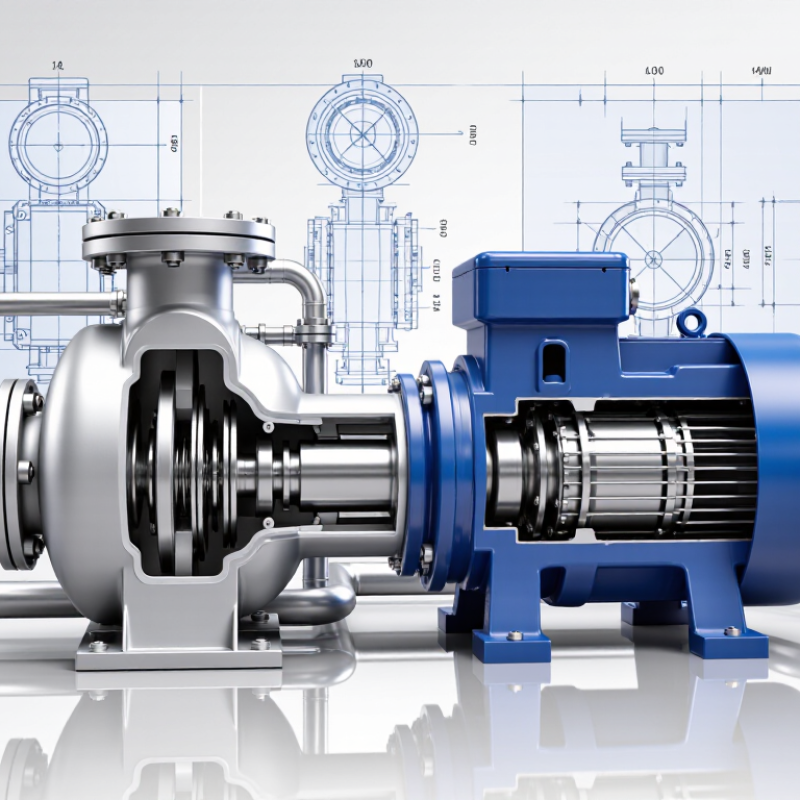
2026 Top Oil Vacuum Pump Manufacturers for Global Buyers
An oil-sealed vacuum pump removes gas from a chamber while a thin oil film seals internal clearances. In a rotary-vane design, an off-center rotor turns inside a cylinder; sliding vanes trap gas, compress it, and discharge it. The oil also lubricates moving parts and carries away heat. Small detail. Big consequence. Contamination, oil temperature, and gas-ballast settings can all affect performance.
Common designs include rotary-vane, rotary-piston, and oil-sealed screw pumps. Rotary-vane models suit many general-purpose duties; two-stage versions can reach lower pressures than comparable single-stage models. Rotary-piston pumps are often selected for demanding, high-throughput service, while screw designs handle continuous operation and larger gas loads. The U.S. Department of Energy’s 2006 Improving Pumping System Performance sourcebook reports that pumping systems can consume 25–50% of energy in some industrial facilities. That figure covers pumping broadly, not vacuum pumps alone, but it highlights why operating conditions and power demand matter. A comparison is imperfect.
For reliable selection, compare pumping speed, ultimate pressure, oil carryover, and service intervals under stated test conditions. ISO 21360-1:2012 provides standardized methods for measuring vacuum-pump performance, helping buyers assess published figures more consistently. Yet one number rarely tells the whole story. A pump’s real performance depends on the gas, temperature, and maintenance routine.
An oil-sealed rotary-vane vacuum pump removes gas by trapping it in changing spaces inside the pump chamber. A motor turns a rotor set slightly off-center, carrying sliding vanes around the chamber wall. Gas enters through the inlet, becomes trapped between the vanes, and is compressed as that space gets smaller. Then it exits through the discharge valve. The cycle repeats continuously.
Oil fills tiny clearances between moving parts. It helps seal the chamber, lubricates the vanes, and carries away heat. This is the working seal. At the outlet, an oil-mist separator captures much of the entrained oil before gas leaves the pump. In systems handling condensable vapor, a gas-ballast valve can reduce condensation inside the chamber. It is useful, but it does not replace correct process design.
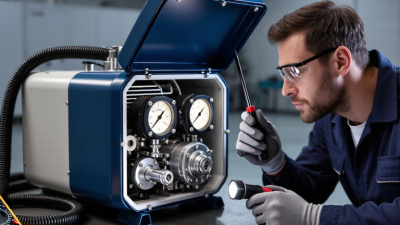
In practice, inlet filters, pipe sizing, and oil condition all affect performance. A restricted filter can slow evacuation; contaminated oil may weaken sealing and increase wear. Small details matter. Check the oil level and appearance during routine service, and follow the pump maker’s maintenance instructions. A cloudy sight glass may signal moisture, though appearance alone cannot confirm the cause. Vacuum readings also depend on leaks, temperature, and measurement location, so one gauge number rarely tells the whole story.
Comparing oil vacuum pump manufacturers in 2026 starts with the process, not the catalogue headline. Check pumping speed at your actual operating pressure, gas composition, and inlet temperature. Numbers need context. Ask for the performance curve and the test conditions behind it. A pump rated for a clean, dry test may behave differently when handling moisture or vapour.
Look closely at oil management and service access. Ask how the design limits oil backstreaming, controls exhaust mist, and handles frequent starts. Can an operator replace filters or inspect seals without removing nearby equipment? Small details matter. Request recommended oil-change intervals, compatible oil specifications, and a parts list with realistic lead times. These details help reveal whether routine maintenance is practical at your site.
Compare total operating costs, not just purchase prices. Energy use, oil consumption, noise, heat, and planned downtime all affect long-term value. Ask for references from applications with similar duty cycles, and verify stated performance with documented tests where possible. A neat specification sheet is useful, but it cannot answer every question. Manufacturers may not know your installation conditions, either; share piping dimensions, ambient temperature, and expected run hours before requesting a final recommendation.
Oil vacuum pump manufacturers compete through more than rated pumping speed. Strong producers design pumps for steady operation under real workshop conditions, including warm oil, frequent starts, and changing inlet loads. Their market strengths often include durable rotors, stable sealing, and clear maintenance intervals. For example, a service technician should be able to inspect an oil level window and reach the exhaust filter without dismantling half the unit.
Small details matter.
Some manufacturers stand out through application engineering. They help buyers match pump capacity, ultimate pressure, and oil type to the process, rather than simply recommending the largest model. Others have an advantage in production scale, consistent testing, and readily available replacement parts across export markets. Buyers should request test conditions and service documentation; a headline performance figure alone may not reflect field results.
It isn’t enough.
Even experienced purchasers can focus too heavily on price or pumping speed.
That is an easy mistake.
A supplier’s response to technical questions, warranty clarity, and access to local service can be just as important, though these factors are sometimes difficult to compare.
Global buyers should match an oil vacuum pump to the process, not just its catalogue rating. Record the required vacuum level, gas flow, operating hours, and expected inlet conditions. A pump handling clean air may not suit a process with moisture or fine particles. Check the manufacturer’s operating limits and ask how performance changes under your actual conditions.
Service needs matter as much as capacity. Confirm which parts require routine replacement, how often oil changes are expected, and whether trained technicians can reach the installation site. Ask about spare-part lead times and troubleshooting support across time zones. Small details count. A drain valve placed behind a hot pipe can turn a simple maintenance task into an awkward shutdown.
Before placing an order, share a clear duty profile and request written confirmation of the proposed configuration. Compare noise, footprint, power supply, cooling needs, and maintenance access alongside purchase price. A spreadsheet can still miss how a pump behaves on a dusty factory floor; that deserves reflection. Where possible, review operating records from a similar application or arrange a monitored trial. Supplier responsiveness during technical discussions can also reveal how practical future service may be.