Choosing among China’s top 10 compressor vacuum pump manufacturers requires more than comparing factory prices. Buyers should examine engineering experience, production consistency, testing procedures, and after-sales support. A polished website can look convincing, but it cannot replace verified performance data.
This guide introduces manufacturers serving industries such as food packaging, electronics, medical equipment, chemical processing, and automated production lines. It considers pump structure, oil or oil-free operation, vacuum level, airflow, noise, energy use, and maintenance access. Small details matter. A technician may need to remove a filter beside a crowded production line, not inside a showroom.
Real factory evaluation is rarely perfect. Product catalogs may use different test conditions, making direct comparisons difficult. Some suppliers communicate clearly, while others provide incomplete technical documents. That weakness deserves attention. Buyers should request sample test reports, certification records, warranty terms, spare-parts plans, and references from comparable projects. Independent inspection can also reduce uncertainty before shipment.
The manufacturers discussed here are not ranked only by size or export claims. Their practical suitability depends on application requirements, operating environment, and expected service life. A reliable compressor vacuum pump should deliver stable performance, manageable operating costs, and responsive technical assistance. This overview offers a useful starting point, not a final purchasing decision. Readers should confirm current specifications directly with each manufacturer. Specification changes happen. So do market conditions.
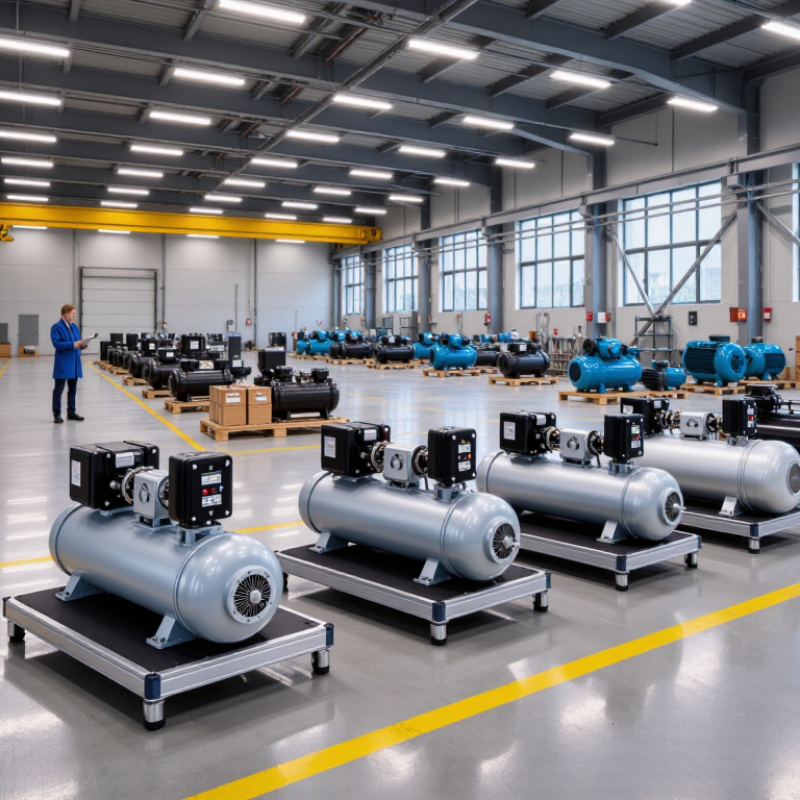
A compressor vacuum pump removes gas from a sealed space while creating pressure differences.
Unlike a basic air compressor, it pulls air inward from a chamber and discharges it outward. Many designs use a rotating rotor, piston, diaphragm, or screw mechanism. Each type moves gas differently.
As the pumping element moves, chamber volume changes. Expansion lowers internal pressure and draws gas through an inlet valve. Compression then reduces the gas volume, pushing it toward the outlet.
Seals, valves, and clearances control leakage. Moisture and dust can reduce performance quickly. A stable vacuum depends on the pump, chamber size, pipe length, and system leaks.
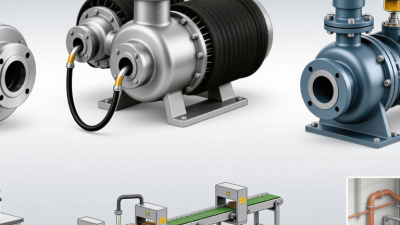
The diagram looks simple. Field conditions are not. Technicians should check vacuum speed, ultimate pressure, noise, heat, and service access before choosing equipment. A pump may reach a deep vacuum but still perform poorly with vapor-heavy loads.
Tips:
Use short, wide hoses when possible. Inspect seals regularly. Add suitable filtration for dusty processes. Oil-lubricated units often run smoothly, but contaminated oil can damage results. Dry systems avoid oil exposure, yet they may need more frequent cleaning. Test the actual system, not only the pump specification. This step is often missed. Measuring pressure near the chamber can reveal hidden losses. Also, allow cooling time during continuous operation. Performance claims are useful, but real installation data deserves more trust.
Evaluating China’s top compressor vacuum pump manufacturers requires more than comparing pressure ratings and prices. Real factory evidence matters. Buyers should examine measured flow, ultimate vacuum, noise, vibration, oil carryover, and power consumption under identical conditions. The U.S. Department of Energy reports that compressed-air leaks can waste 20–30% of compressor output. Therefore, manufacturers should provide leak-test records, energy data, and maintenance intervals, not only laboratory figures.
Evaluation teams should request ISO 9001 quality records, electrical safety certificates, material traceability, and performance tests based on recognized standards. Service response also matters. Spare-parts availability, technician training, warranty terms, and remote diagnostic capability reveal operational maturity.
A polished catalog is not proof. Numbers can mislead. Buyers should inspect production lines, calibration equipment, machining tolerances, and final inspection procedures. Independent testing is useful, especially for vacuum stability and long-duration operation. Grand View Research’s industrial equipment analyses repeatedly identify energy efficiency and automation as major purchasing factors, yet smaller manufacturers may report these indicators inconsistently. That gap needs scrutiny. A practical shortlist should include total cost over five years, failure history, customization discipline, export documentation, and evidence from comparable industrial installations.
China’s compressor vacuum pump industry includes a broad mix of established factories and specialized engineering manufacturers. Identifying the leading ten requires more than checking production volume. A credible review should compare pumping speed, ultimate pressure, energy use, noise, and service support.
The strongest manufacturers usually cover rotary vane, dry screw, scroll, claw, and Roots booster systems. Some focus on clean production lines, while others serve packaging, electronics, food processing, and chemical plants. Factory experience matters. Engineers should inspect test benches, machining accuracy, oil separation, cooling design, and vibration control. A reliable supplier can provide performance data measured under recognized vacuum testing methods, not only attractive catalog figures.
After-sales support also separates the leading ten from ordinary suppliers. Look for spare-part availability, installation guidance, remote diagnosis, and documented maintenance intervals. A pump running continuously at 50 Hz may expose weaknesses within weeks. Real field feedback is valuable. Still, rankings remain imperfect because some manufacturers publish limited test conditions. Claimed pressure may change with temperature, inlet size, or measurement location. Buyers should request independent verification and trial operation before large orders. Pricing alone can mislead. A lower purchase cost may bring higher electricity use and longer downtime.
Leading Chinese manufacturers assessed by product breadth, manufacturing capability, export activity, technology coverage, and after-sales support
| Rank | Manufacturer ID | Primary Production Region | Typical Market Experience | Main Product Coverage | Typical Pumping-Speed Range | Vacuum Technology | Quality System | Export Coverage | Technical Scope |
|---|---|---|---|---|---|---|---|---|---|
| 1 | Manufacturer A | Jiangsu | More than 30 years | Oil-sealed rotary vane pumps, dry screw pumps, roots boosters, vacuum systems | 4–2,500 m³/h | Rotary vane, dry screw, roots booster | ISO 9001 | Asia, Europe, Middle East | Broad |
| 2 | Manufacturer B | Zhejiang | More than 25 years | Industrial compressors, oil-injected screw units, vacuum pumps, packaged systems | 6–3,000 m³/h | Screw, rotary vane, liquid-ring | ISO 9001 | Asia, Africa, Latin America | Broad |
| 3 | Manufacturer C | Shanghai | More than 20 years | Dry scroll pumps, dry screw pumps, vacuum skids, semiconductor and laboratory systems | 1–1,800 m³/h | Scroll, dry screw, roots booster | ISO 9001 | East Asia, Europe, North America | High-tech |
| 4 | Manufacturer D | Shandong | More than 20 years | Water-ring pumps, oil-sealed pumps, vacuum compressors, chemical-process packages | 10–4,000 m³/h | Liquid-ring, rotary vane, piston | ISO 9001 | Asia, Middle East, Africa | Process |
| 5 | Manufacturer E | Guangdong | More than 15 years | Dry claw pumps, scroll pumps, small rotary vane pumps, clean-vacuum equipment | 2–900 m³/h | Claw, scroll, rotary vane | ISO 9001 | Asia, Europe, North America | Clean-vacuum |
| 6 | Manufacturer F | Hebei | More than 20 years | Reciprocating vacuum pumps, oil-free compressors, vacuum dehydration systems | 5–1,200 m³/h | Reciprocating, piston, oil-free | ISO 9001 | Asia, Africa, Eastern Europe | Heavy-duty |
| 7 | Manufacturer G | Fujian | More than 15 years | Rotary vane pumps, vacuum compressors, vacuum packaging and food-processing systems | 3–1,000 m³/h | Rotary vane, piston, liquid-ring | ISO 9001 | Asia, Middle East, Latin America | Industrial |
| 8 | Manufacturer H | Hubei | More than 15 years | Roots vacuum pumps, booster systems, vacuum furnaces and heat-treatment equipment | 30–6,000 m³/h | Roots booster, dry screw, diffusion support | ISO 9001 | Asia, Europe, Middle East | High-flow |
| 9 | Manufacturer I | Liaoning | More than 20 years | Liquid-ring vacuum pumps, chemical compressors, corrosion-resistant process equipment | 20–5,000 m³/h | Liquid-ring, centrifugal, process compressor | ISO 9001 | Asia, Africa, South America | Chemical |
| 10 | Manufacturer J | Anhui | More than 10 years | Compact oil-free pumps, laboratory pumps, medical vacuum units and customized systems | 1–600 m³/h | Diaphragm, scroll, rotary vane | ISO 9001 | Asia, Europe, Africa | Specialized |
The top ten compressor and vacuum pump manufacturers typically offer equipment for factories, laboratories, food processing, and medical facilities. Their product ranges may include rotary screw compressors, reciprocating compressors, centrifugal units, and scroll systems. Vacuum options often include oil-sealed rotary vane, dry screw, dry claw, diaphragm, and liquid ring pumps.
The technology varies by operating pressure, flow rate, and contamination risk. Variable-speed drives adjust motor output when demand changes, reducing wasted energy during quieter production periods. Digital sensors can monitor temperature, vibration, pressure, and oil condition. Remote platforms may send maintenance alerts before a bearing or seal fails. Some manufacturers also provide air dryers, filters, receivers, vacuum boosters, and complete skid-mounted systems. The details matter.
Experienced suppliers usually support system sizing, installation, commissioning, and replacement planning. They may test pumps under different loads rather than relying on laboratory figures alone. A published efficiency number can look impressive, but it rarely reflects dusty rooms, hot intake air, or frequent starts. Not every solution fits. Dry pumps reduce oil contamination, yet their service costs may be higher. Liquid ring pumps tolerate moisture well, but they consume water and require careful discharge management. I would compare lifetime energy use, noise levels, spare-part access, and service response before choosing equipment. Even a technically advanced pump can disappoint when piping is too narrow or maintenance intervals are ignored.
Choosing a Chinese vacuum pump manufacturer requires more than comparing catalog prices. Start with your process. Define ultimate vacuum, pumping speed, gas composition, duty cycle, and installation environment. A food packaging line needs different protection from a laboratory coating system. Ask for performance curves under your operating conditions, not only headline figures. Request test records and confirm measurement methods. This detail often exposes unrealistic specifications.
Study engineering depth and production control. A dependable supplier should explain sealing materials, oil management, cooling, noise, and maintenance intervals. Ask whether critical parts are made in-house or sourced. Review incoming inspection records, quality certificates, test reports, and safety documents. These papers matter, but they are not proof alone. Arrange a video inspection or independent factory audit. Check machining areas, assembly cleanliness, calibration labels, and spare-parts storage.
Before placing a large order, test one unit under real working conditions. Record start-up time, pressure stability, temperature, vibration, and energy use. Discuss warranty response, replacement parts, manuals, and remote troubleshooting in writing. Compare lifetime cost, not only purchase price. A cheaper pump may consume more oil or require frequent service. Many buyers overlook local voltage and fitting standards. That mistake is avoidable. Send drawings, photos, and a clear acceptance checklist. If a supplier avoids specific answers, pause the decision. Reliable cooperation depends on evidence, transparent limits, and correcting weak assumptions.