2026 Top Vacuum Pump Types What Should Buyers Choose?
Choosing the right vacuum pump in 2026 requires more than comparing prices or maximum vacuum ratings. Buyers must examine gas composition, operating pressure, flow demand, duty cycle, noise, maintenance, and contamination risks. A rotary vane pump may deliver strong performance for general laboratory work, while a dry scroll pump suits cleaner environments. Diaphragm, screw, liquid ring, Roots, and turbomolecular designs each solve different problems.
The details matter.
A vacuum pump running beside a coating chamber faces different demands from one serving a freeze dryer. Oil vapor can affect sensitive processes, while moisture may shorten service life or reduce performance. Experienced engineers usually check ultimate pressure under real operating conditions, not only the ideal figure printed on a datasheet. They also review service intervals, seal availability, power consumption, and manufacturer support.
Specifications can mislead.
This guide compares the major vacuum pump types expected to shape purchasing decisions in 2026. It focuses on practical performance, total ownership cost, and application fit. Reliable selection should include verified test data, installation requirements, and feedback from technicians who maintain similar systems. No single pump wins every application. That assumption deserves challenge. A cheaper unit may become expensive after repeated oil changes, unexpected downtime, or difficult repairs. Conversely, premium equipment may offer unnecessary capacity for a small, clean process. Careful buyers should question impressive numbers, confirm operating conditions, and match the pump to the complete vacuum system rather than one isolated requirement.
What Is a Vacuum Pump and How Does It Work?
A vacuum pump removes gas molecules from a sealed chamber, reducing pressure below atmospheric pressure. It does not “suck” a perfect vacuum. Instead, it transfers gas through compression, trapping, or momentum exchange. Rotary-vane pumps compress gas mechanically, while diaphragm and dry-screw pumps move gas without oil contact. Turbomolecular pumps use rapidly spinning blades for very low pressures, but they usually need a backing pump.
The working principle sounds simple. It is not. A pump must match the chamber volume, gas load, target pressure, and operating time. For example, moisture, dust, and process vapors can reduce performance quickly. A pressure gauge near the pump may also show a better reading than the chamber actually receives. Always check conductance, leakage, and the pump’s rated throughput.
MarketsandMarkets reported that the global vacuum pump market was valued at several billion US dollars in the early 2020s, with continued growth expected through the decade. The report links demand to semiconductor, chemical, pharmaceutical, and research applications. The International Organization for Standardization also emphasizes controlled measurement practices for vacuum systems through ISO 3529 terminology and related standards. These sources support one practical point: selection should follow measured process conditions, not marketing labels.
A low ultimate-pressure figure alone can mislead. I would compare oil tolerance, noise, service intervals, and replacement costs. Sometimes, a modest dry pump is the wiser choice. Perfect selection is rare. The real test is stable pressure beside the process, day after day.
Which Vacuum Pump Types Are Available in 2026?
Which Vacuum Pump Types Are Available in 2026?
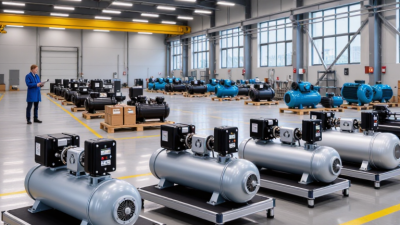
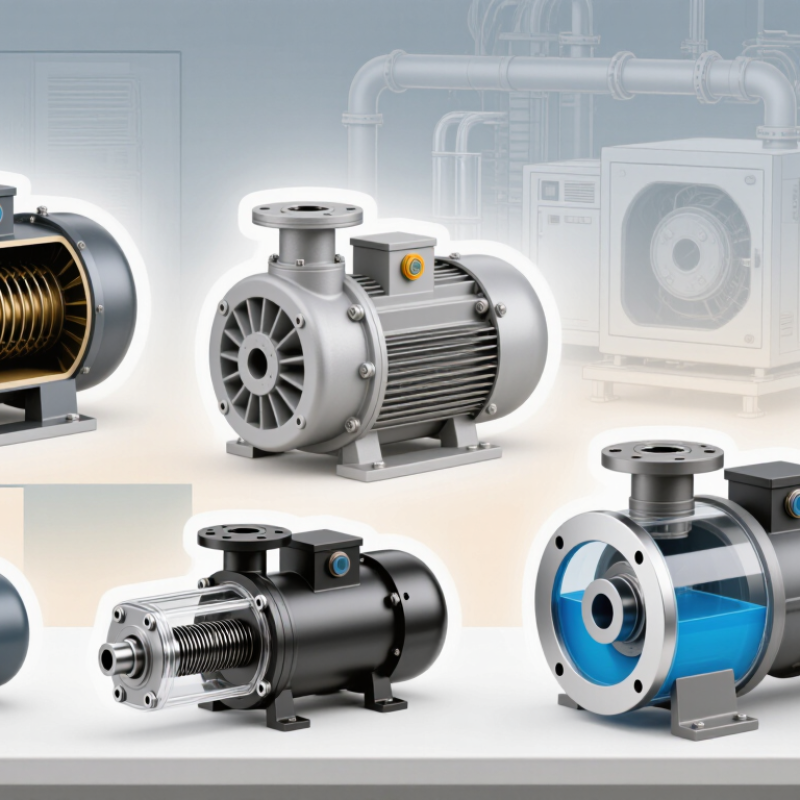
The 2026 vacuum market offers several practical pump families. Rotary vane pumps remain common for laboratory work, packaging, and general industrial service. They achieve reliable rough and medium vacuum, but their oil can contaminate sensitive processes. Dry screw pumps avoid operating oil and handle demanding industrial duty. They usually cost more and need careful maintenance.
Diaphragm pumps suit chemical laboratories because they provide clean, oil-free operation. Scroll pumps deliver cleaner vacuum for instruments and medical equipment, although their tip seals eventually wear.
Liquid ring pumps tolerate moisture and process vapors well. Roots boosters increase pumping speed when paired with another pump. Turbomolecular pumps serve high-vacuum research systems, but they require stable backing pumps and careful installation.
Industry figures show why selection is becoming more technical. Grand View Research estimated the global vacuum pumps market at about USD 5.7 billion in 2023, with growth continuing through 2030. A MarketsandMarkets forecast also expects sustained expansion through 2029, driven by semiconductors, pharmaceuticals, and process manufacturing. The estimates differ. That matters. Market size alone cannot choose a pump.
Tips:
Match the pump to pressure, gas composition, moisture, flow rate, and operating hours. Check ultimate pressure under real load, not only the catalogue value. Ask about spare seals, oil handling, noise, and service intervals. A dry pump may appear cleaner, yet its maintenance cost can surprise buyers. Test a small unit first when the process is uncertain.
How Do Different Vacuum Pumps Compare in Performance?
2026 Top Vacuum Pump Types: What Should Buyers Choose?
Performance depends on the pressure range, gas load, and contamination risk. ISO 21360-1 recommends comparing pumping speed, ultimate pressure, and measurement conditions. Without that context, catalog numbers can mislead buyers.
Rotary-vane pumps often reach about 10⁻³ mbar and handle general industrial duty economically. Their oil can capture particles and vapors, however, so maintenance matters.
Dry screw pumps commonly reach roughly 10⁻² to 10⁻³ mbar while avoiding oil backstreaming. They suit coating, packaging, and chemical processes, but their purchase price and cooling demand are higher.
Diaphragm pumps typically deliver cleaner operation, with ultimate pressures near 1–10 mbar. They are useful for filtration and laboratory work, though their pumping speed is limited.
Turbomolecular pumps can reach below 10⁻⁷ mbar, according to technical ranges summarized by the AVS Vacuum Technology Division. They require a backing pump and careful vibration control.
Market data adds context. Grand View Research’s 2024 vacuum pump market report projects continued growth through 2030, driven by semiconductor, pharmaceutical, and food-processing investment. Yet growth does not prove suitability. I would check vapor tolerance, service intervals, noise, and power consumption beside pressure figures.
A 2023 industrial vacuum assessment published through the U.S. Department of Energy also emphasizes system-level efficiency, not pump efficiency alone. That distinction is easy to miss. A smaller pump may consume less power but extend cycle time, creating higher total operating cost.
What Factors Should Buyers Consider Before Choosing?
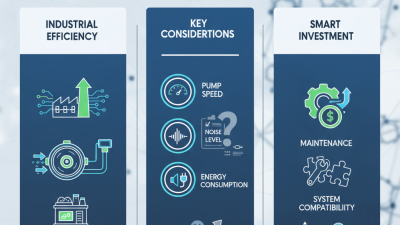
Choosing a vacuum pump starts with the process, not the catalog photograph. Buyers should define ultimate pressure, pumping speed, gas composition, operating temperature, and duty cycle. A pump reaching 0.1 mbar may still fail when vapor loads rise. Wet processes need vapor tolerance, while clean semiconductor work demands low contamination and stable pressure.
Energy deserves closer attention. The International Energy Agency reports that motors and motor-driven systems account for more than 40% of global electricity consumption. Vacuum pumps rarely run alone, but their motors often operate continuously. Check rated power, control method, standby behavior, and actual flow at working pressure. Bigger is not automatically better. Oversizing can increase heat, noise, and maintenance costs.
Maintenance evidence matters. The 2024 Global Industrial Vacuum Pump Market report from Grand View Research identifies process industries, chemicals, and electronics as major demand areas, where uptime and contamination control strongly influence purchasing. Ask for oil carryover data, seal replacement intervals, noise levels, and service access. Request test results under conditions resembling your chamber, not only ideal laboratory figures.
I have seen buyers compare only ultimate vacuum. That is an expensive shortcut. A pump that handles condensable vapor poorly may require frequent oil changes or repeated shutdowns. Verify compatibility with solvents, dust, corrosive gases, and cleaning routines. Also check local technical support and spare-part availability. Small details decide whether the pump quietly works for years or becomes the loudest problem in the room.