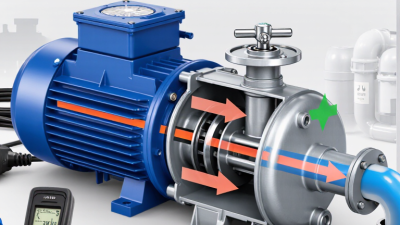
Choosing a vacuum pump is not just a technical decision. It affects product quality, maintenance time, and the daily rhythm of your operation. An oil less vacuum pump removes the need for oil in its pumping chamber, which can reduce contamination risks in applications where clean air matters. Think of a packaging line handling food, a laboratory bench, or a workshop where oil mist would be unwelcome.
Cleaner operation.
That does not mean every oil-free model suits every business. Pumping speed, ultimate vacuum, duty cycle, noise, and operating temperature all matter. A small unit may perform well during short cycles but struggle with continuous demand. Check the manufacturer’s specifications against real operating conditions, and ask about service intervals and replacement parts. Those details are easy to overlook.
This guide explores why businesses choose oil less vacuum pump technology, where it can offer practical advantages, and what trade-offs deserve attention. Dry pumps can simplify routine care because there is no chamber oil to change. Yet diaphragms, vanes, seals, or other components may still wear, depending on the design. “Oil-free” is not the same as maintenance-free.
A careful comparison should include the full cost of ownership, not only the purchase price. Consider energy use, downtime, installation needs, and the materials being processed. A pump that looks efficient on paper may not fit your process. That is worth questioning. With reliable specifications and advice from a qualified supplier, businesses can make a more informed choice—and avoid paying for capacity they do not need.
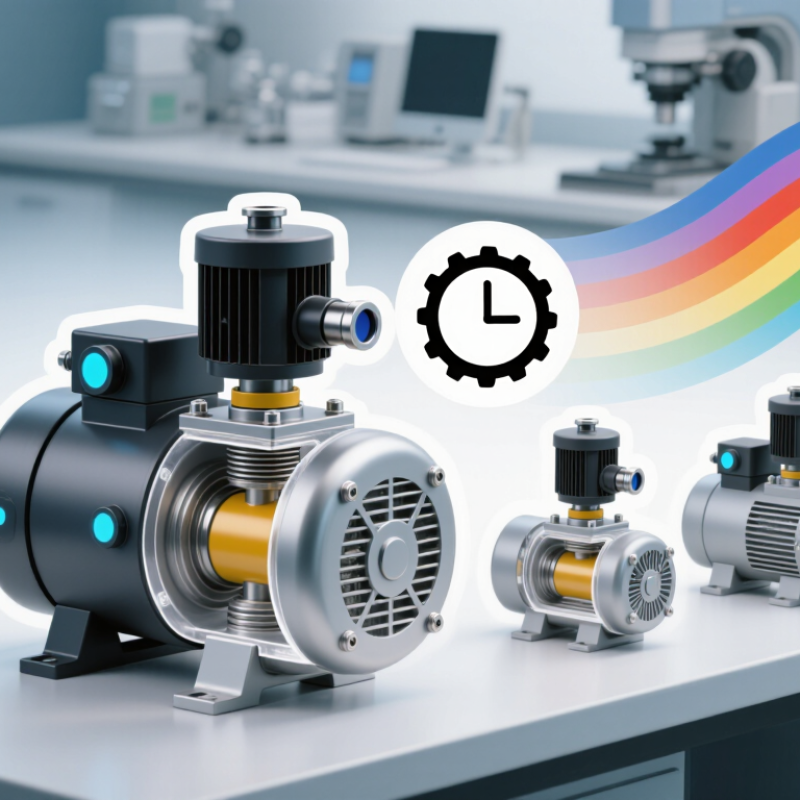
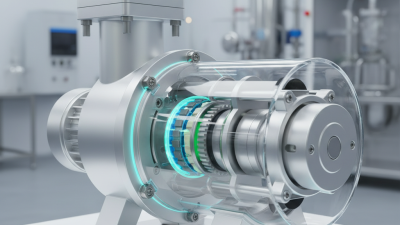
An oil-less vacuum pump removes gas from a chamber without using oil to seal or lubricate the pumping space. Depending on its design, it may use a diaphragm, piston, claw, or dry screw mechanism. The result is a vacuum process with no oil circulating through the gas path. That distinction matters when handling samples, packaging materials, or equipment that should stay free from oil mist.
In practical use, “oil-less” does not mean maintenance-free. Moving parts still wear, filters may need attention, and seals can eventually require replacement.
A small diaphragm pump, for example, may suit a laboratory instrument but struggle with a large vessel or continuous heavy-duty operation. Check the pump’s ultimate pressure, flow rate, duty cycle, and compatibility with the gases being handled.
Numbers on a specification sheet are useful, but real performance can vary with temperature, leaks, and installation. It is easy to overlook those details.
An oil-less pump can reduce oil changes and simplify housekeeping, though it may cost more upfront or produce more noise. The right choice depends on the process, not just the label.
An oil-less vacuum pump removes gas without using oil for sealing or lubrication. In many designs, an electric motor moves a diaphragm, piston, or scroll element. This movement changes the chamber volume. Gas enters when the chamber expands. It leaves when the chamber contracts. Small check valves control the direction of flow. The cycle repeats continuously. Simple, but precise.
Because the compression chamber stays free from oil, the pump reduces the risk of oil mist reaching the process line. This suits packaging, laboratory filtration, pneumatic equipment, and other clean applications. However, oil-less does not mean maintenance-free. Seals, diaphragms, bearings, and filters still wear. Heat also matters. Poor ventilation can shorten service life. A blocked intake filter may reduce vacuum performance before the pump sounds unusual. That small detail is easy to miss.
The main trade-off involves vacuum depth, flow rate, noise, and operating temperature. Some oil-sealed pumps achieve a deeper ultimate vacuum, depending on their design. An oil-less model may offer cleaner operation and simpler routine care. Selection should match the required vacuum level, duty cycle, moisture load, and gas composition. Do not choose by headline pressure alone. The technology is cleaner, but not perfect. Real performance depends on installation, maintenance, and honest operating conditions.
Oil-less vacuum pumps serve businesses where air purity affects product quality, patient safety, or process reliability. Medical facilities use them for surgical suction, dental chairs, and laboratory filtration. Without lubricating oil, the exhaust carries less contamination risk. However, oil-less does not mean maintenance-free. Moisture, biological residue, and clogged filters still require scheduled inspection.
Food processors use these pumps in vacuum packaging, product lifting, and liquid filling. A clean vacuum line helps protect open food from oil mist. Packaging automation is expanding with factory robotics. The International Federation of Robotics reported 4.28 million industrial robots operating worldwide in 2023. Many use vacuum gripping systems for cartons, trays, and flexible packages. Small leaks matter here. They can slow a packing line and increase rejected products.
Semiconductor and electronics plants need controlled vacuum conditions during coating, drying, and material handling. SEMI’s 2024 World Fab Forecast tracked more than 1,500 semiconductor facilities and production lines globally. These environments often demand low contamination and stable performance, making oil-less designs practical. Research laboratories also use them for vacuum ovens, filtration, and analytical instruments. Still, buyers should check ultimate pressure, flow rate, noise, heat, and water tolerance. I would not choose solely by “oil-less” on the label. A pump that is clean but undersized may waste more energy and create downtime.
Oil-less vacuum pumps are suitable for applications where clean air, low maintenance, and the prevention of oil contamination are important. The chart shows representative maximum vacuum levels commonly used across several business applications.
Values are rounded typical design targets expressed as vacuum below atmospheric pressure. Actual requirements vary with equipment, process conditions, flow rate, and local safety standards.
An oil-less vacuum pump can simplify daily maintenance because its pumping chamber needs no oil changes. That matters in packaging rooms, laboratories, and food-process areas where oil mist or spills create extra cleaning work. Less routine servicing can also mean fewer planned stoppages, though filters, seals, and exhaust paths still need inspection. No pump is maintenance-free.
The U.S. Department of Energy’s Improving Compressed Air System Performance sourcebook reports that compressed-air systems can consume about 10% of electricity in a typical industrial facility. This is not a vacuum-pump figure, but it shows why operating efficiency deserves attention. Compare a pump’s rated flow and ultimate pressure with the actual duty cycle; an oversized unit may waste energy while running underused. Track power draw, temperature, and evacuation time during real production shifts. Small changes can reveal a costly mismatch.
Oil-free operation also avoids oil disposal and reduces the risk of product or workspace contamination. This can support cleaner processes and simpler housekeeping. Still, oil-less designs may have different noise, heat, or wear characteristics. Check the manufacturer’s performance curves and service intervals, then test the pump under your own load. Data sheets help. Floor conditions matter, too.
Choosing an oil-less vacuum pump begins with the process, not the catalog. Measure the required vacuum level, flow rate, duty cycle, and gas composition. A pump for light laboratory filtration may fail under continuous packaging work. Confirm that wetted materials resist moisture, solvents, dust, or corrosive vapors. Check performance at the actual operating pressure, because advertised flow often changes under load.
Noise, heat, and access also affect daily productivity. Place the pump in a clean, ventilated area with enough space for inspection. Small details matter. An inlet filter can prevent dust from damaging internal parts, while a moisture trap protects sensitive components. If the process releases liquid vapor, plan for drainage before installation. I have seen avoidable failures caused by poor hose routing and undersized fittings.
Maintenance should follow operating hours and process conditions, not guesswork. Inspect filters, hoses, electrical connections, and vibration regularly. Record temperature, vacuum readings, and unusual sounds in a simple log. Replace diaphragms, seals, or other wear parts according to the service guidance, even when performance seems normal. However, no checklist is perfect. A pump may appear healthy while its vacuum gauge drifts or its filter slowly blocks airflow. Compare readings with a calibrated instrument and investigate gradual changes. Training operators to report weak suction early often prevents expensive downtime.