What Is an AC Pump and How Does It Work?
An ac pump converts electrical energy from an alternating-current supply into fluid movement. It appears in home water systems, cooling equipment, irrigation lines, and industrial machinery. Inside, an AC motor turns an impeller, diaphragm, or other pumping element. That motion creates pressure and moves liquid through pipes.
Igor J. Karassik, a respected pump engineer and editor of the Pump Handbook, wrote, “A pump is a machine that imparts energy to a fluid.” This simple statement explains the basic purpose of an ac pump. The motor supplies torque. The pumping mechanism transfers that energy to water, oil, or another compatible liquid. Flow rate and pressure then depend on motor speed, pump design, pipe resistance, and fluid properties.
The process is practical, but not always simple. A pump may hum normally while delivering weak flow. A blocked filter, undersized pipe, worn seal, or incorrect voltage can cause that problem. Small details matter. A technician may check vibration, temperature, current draw, and discharge pressure before changing parts. That experience often prevents unnecessary repairs.
This guide will explain how an ac pump works, how its main components interact, and where different designs are useful. It will also examine efficiency, maintenance, noise, and safe selection. Some explanations simplify real systems. Actual performance can vary. Manufacturer data and on-site testing remain essential.
What Is an AC Pump?
What Is an AC Pump?
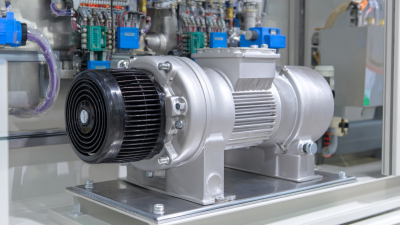
An AC pump is a pump powered by alternating-current electricity. It moves water, oil, chemicals, or other compatible fluids through a system. The pump usually contains an AC motor, housing, shaft, and pumping element. Depending on its design, that element may be an impeller, diaphragm, or piston.
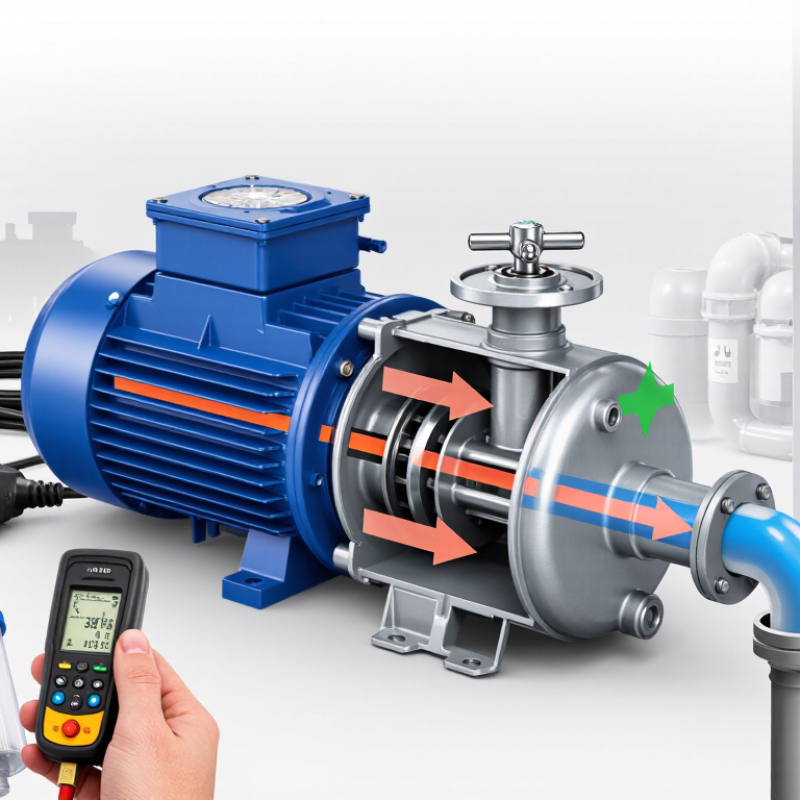
When electricity reaches the motor, magnetic forces create rotation. The rotating shaft transfers energy to the impeller or another pumping part. In a centrifugal design, the impeller pushes fluid outward and increases its pressure. Fluid then leaves through the discharge port. Positive-displacement designs work differently. They trap measured volumes and push them forward with each cycle.
Performance depends on flow rate, pressure, fluid temperature, and viscosity. A pump can seem powerful but still perform poorly with an undersized pipe. That detail is easy to miss. Real systems are rarely perfect, so unusual noise, vibration, or heat deserves attention. I would not assume a slow flow means the motor has failed; blocked filters and air leaks can produce similar symptoms.
Tips: Check the rated voltage before connection. Keep the pump dry unless its enclosure is designed for wet conditions. Install suitable protection against overload and leakage current. Never run a pump without the required fluid, because some seals rely on that fluid for cooling and lubrication. Record pressure and flow during normal operation. Small changes can reveal wear early.
What Is an AC Pump and How Does It Work?
An AC pump uses alternating current to power an electric motor, which drives an impeller or diaphragm to move fluid. For a four-pole motor, the ideal synchronous speed is calculated as RPM = 120 × frequency ÷ number of poles. Actual induction-motor speed is usually slightly lower because of slip.
Ideal synchronous speed of a four-pole AC motor at common power-supply frequencies
How an AC Pump Converts Electrical Energy into Fluid Movement
What Is an AC Pump and How Does It Work?
An AC pump uses alternating current to move water, chemicals, or other fluids. The motor receives electrical power and creates a rotating magnetic field. This field turns the motor shaft through electromagnetic force. The shaft drives an impeller inside the pump casing. As the impeller spins, its curved blades push fluid outward and increase its velocity. The casing then converts much of that velocity into pressure, sending fluid through connected pipes.
The U.S. Department of Energy reports that pumping systems can consume about 25% of electricity in industrial facilities. This makes motor efficiency, pipe sizing, and control settings important operating factors. A properly selected pump matches flow rate, pressure demand, fluid temperature, and viscosity. An oversized pump may create unnecessary pressure and waste energy through throttling. Small details matter. Air leaks, blocked strainers, and worn bearings can also reduce output.
In practical installations, the conversion is never perfectly efficient. Electrical resistance produces heat, while friction affects the motor, seal, impeller, and pipework. Variable-frequency drives can adjust motor speed when demand changes, although poor programming may create instability. Technicians should measure current, vibration, flow, and discharge pressure instead of relying only on sound. The Hydraulic Institute recommends evaluating pumps across their operating range, not only at the rated point. That approach is more reliable, but field conditions can still expose assumptions that looked correct on paper.
Key Components and Their Functions
What Is an AC Pump and How Does It Work?
Key Components and Their Functions
An AC pump uses alternating current to drive an electric motor. The motor changes electrical energy into rotary motion. That motion turns an impeller inside the pump casing. The spinning impeller creates pressure and moves liquid from the inlet to the outlet.
The motor is the power source. A capacitor may help it start smoothly and maintain steady rotation. The shaft transfers torque from the motor to the impeller. Its alignment matters. Even slight misalignment can cause vibration, noise, and early bearing wear. Bearings support the rotating shaft and reduce friction during operation.
The impeller is the working center. Its curved blades push liquid outward, while the casing guides flow toward the discharge port. An inlet screen can block debris before it reaches the impeller. Mechanical seals prevent liquid from entering the motor housing. A damaged seal often leaves a small wet mark near the shaft.
A thermal overload protector can stop the motor when temperature rises too far. This protects the winding insulation, although it does not repair the original problem. Restricted pipes, dry running, or a clogged inlet can still damage the pump. In field inspections, checking flow, sound, heat, and vibration together gives better evidence than checking pressure alone. Simple diagrams often hide this uncertainty. Real pump behavior depends on fluid thickness, pipe length, and installation quality.
Different Types and Applications of AC Pumps
An AC pump uses alternating current to move water or another compatible liquid.
Its electric motor creates rotation, while the impeller transfers energy to the fluid. As the impeller spins, pressure changes pull liquid into the inlet and push it through the outlet.
Simple in principle.
However, pump performance depends on flow rate, pressure, liquid temperature, and pipe resistance.
Different AC pump types suit different working conditions.
Centrifugal pumps are common in building water systems, irrigation, cooling loops, and light industrial circulation. They provide steady flow but may struggle with very thick liquids. Diaphragm pumps use a flexible membrane and work well with dosing, filtration, and liquids containing small particles. Gear pumps handle oils and other viscous fluids, although their close internal clearances require clean operation. Submersible pumps sit inside tanks or drainage pits, where they remove collected water efficiently. Self-priming models can restart more easily after air enters the suction line.
In field maintenance, unusual vibration often signals poor alignment, trapped air, or worn bearings.
A warm motor also deserves attention. Selecting a pump only by pipe size is a common mistake; the system curve matters more. I have found that real installations rarely match a catalog example perfectly. Pressure losses change as filters clog, valves close, or hoses bend sharply. For reliable service, technicians should check electrical protection, seal condition, operating noise, and actual flow during commissioning.
Factors Affecting AC Pump Performance and Efficiency
What Is an AC Pump and How Does It Work?
An AC pump uses alternating-current power to drive an electric motor and impeller. The impeller transfers energy to fluid, creating flow and pressure. Its real performance depends on the whole system, not the pump alone. The U.S. Department of Energy identifies pumping systems as major industrial electricity users, especially when pumps operate far from their best efficiency point.
Flow rate, total head, voltage, frequency, and fluid properties strongly affect efficiency. Hydraulic Institute guidance recommends evaluating the pump against the system curve, rather than selecting it by flow alone. A pump running against excessive resistance may consume energy while delivering disappointing flow. Impeller diameter also matters. Under the affinity laws, a 10% speed reduction can reduce ideal power demand by about 27%. Real savings vary.
Maintenance changes the result. Worn bearings, blocked strainers, damaged seals, and misalignment increase friction. High-viscosity fluids require more power than water. Cavitation can sound like gravel inside the casing and may destroy surfaces over time. The U.S. Department of Energy’s pumping-system assessment guidance emphasizes leak control, proper sizing, and avoiding unnecessary throttling. Variable-speed control often helps, but it is not automatically efficient. Poor programming can create unstable flow or overheating. Field measurements sometimes challenge the original design assumptions. That is worth admitting. A pressure gauge, flow reading, power measurement, and operating log usually reveal more than a catalog curve alone.