Why Choose an Air Vacuum Pump for Industrial Use?
Industrial teams choose an air vacuum pump when they need dependable suction without adding a conventional motor-driven pump at every workstation. In many systems, compressed air passes through a Venturi-style generator, creating vacuum for lifting, clamping, packaging, or material handling. The result can be a compact setup near the point of use. Small footprint. Fast response.
Vacuum-technology author John F. O’Hanlon’s practical guidance can be paraphrased this way: select equipment for the process conditions, not just its headline performance. That matters on a production floor. A suction cup lifting a smooth glass panel has different needs from one handling porous cardboard. Engineers should check required vacuum level, airflow, cycle time, air quality, noise, and compressed-air consumption. An air vacuum unit may simplify installation and reduce moving parts, but it can also use substantial plant air during continuous operation. That trade-off deserves honest attention.
A useful evaluation starts with the actual load, hose length, leaks, and duty cycle. Test the pump under realistic conditions, then compare energy use and maintenance needs with alternatives. Dust, moisture, or fluctuating supply pressure can change performance. Details matter. No single pump suits every line, and a quick catalog comparison may miss the weak point. Choose based on measured requirements, documented specifications, and the cost of keeping the system running.

What an Air Vacuum Pump Is and How It Works
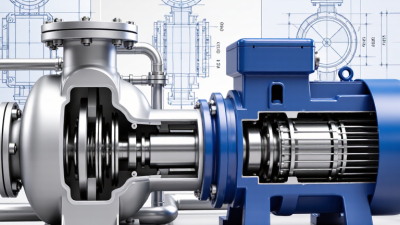
An air vacuum pump uses compressed air to create suction, rather than an electric motor driving a rotating vacuum mechanism. In a common Venturi-style design, compressed air passes through a narrow nozzle at high speed. Its pressure drops, drawing air from the connected chamber into the pump. The two air streams then leave through an exhaust port. Simple principle. At a packaging line, for example, suction can hold a carton flap while a tool moves it into position.
The vacuum level depends on nozzle geometry, inlet pressure, airflow, and leakage at the workpiece. A loose hose connection can weaken suction noticeably. There is a trade-off: the pump itself may be compact, but its compressed-air supply uses energy. The U.S. Department of Energy’s Improving Compressed Air System Performance sourcebook reports that compressed-air systems account for about 10% of industrial electricity use. That figure covers whole systems, not vacuum pumps alone. Real plants vary. For selection, engineers should check the required vacuum, cycle time, air consumption, and exhaust conditions, then measure performance at the point of use. A clean theoretical diagram is helpful, but actual leaks and fluctuating supply pressure can change results.
Key Features That Support Industrial Vacuum Tasks
An industrial air vacuum pump should match the task’s required flow, vacuum level, and duty cycle—not just its maximum vacuum rating. For example, a packaging line may need steady suction through repeated cycles, while a workshop extraction point may face dust and changing demand. Check how quickly the pump reaches its working vacuum, whether the level stays stable under load, and how easily filters and seals can be inspected. Small detail. A clogged inlet filter can quietly reduce performance.
Compressed-air supply deserves close attention. The U.S. Department of Energy’s Improving Compressed Air System Performance: A Sourcebook for Industry reports that compressed-air leaks can waste 20–30% of compressor output. That figure describes compressed-air systems broadly, not any one vacuum pump, but it highlights a real operating cost. Compare air consumption at the intended pressure and duty cycle, and inspect hoses, fittings, and regulators for leaks. Energy use can be easy to miss.
For wet or dusty applications, confirm the pump’s stated tolerance and maintenance requirements with the supplier, then validate them using the actual material and operating cycle. ISO 21360 provides standardized methods for measuring vacuum-pump performance, making published test conditions worth checking. A tidy specification sheet is not the whole story. Log vacuum level, cycle time, and air use during a trial; real production may expose trade-offs that a short test misses.
Operational Benefits in Manufacturing and Process Systems
Why Choose an Air Vacuum Pump for Industrial Use?
Operational Benefits in Manufacturing and Process Systems
In manufacturing, compressed-air vacuum ejectors can create suction close to the task. A robot can lift a metal blank, while a packaging line holds a carton steady during sealing. Short vacuum lines support quick response and reduce clutter around moving equipment. Ejectors have no motor or rotating parts at the point of use. That can simplify maintenance. Still, they need a reliable compressed-air supply, and their energy use is easy to overlook.
The U.S. Department of Energy’s Improving Compressed Air System Performance: A Sourcebook for Industry reports that leaks can waste 20–30% of compressor output in some plants. This is not a vacuum-pump efficiency figure, but it shows why air-system condition matters. On a production line, leaks, poor pressure settings, or an oversized ejector can raise operating costs. Measure vacuum level and air consumption under real cycle conditions. Small differences matter.
Tips: Match the ejector to the load and required cycle time. Check filters and hoses for leaks, and compare air use before and after adjustment. A quick lift test is useful, but it does not replace logged measurements.
Common Industrial Applications of Air Vacuum Pumps
Air vacuum pumps turn compressed air into suction, making them useful where a compact, responsive vacuum source is needed. In packaging lines, they hold cartons during forming, lift film, and stabilize products while labels or seals are applied. The grip must match the material; thin bags can wrinkle under excessive suction. Small adjustments matter.
Factories also use them for pick-and-place tasks. A vacuum cup can lift sheet metal blanks, plastic housings, or glass panels between stations. On CNC fixtures, suction helps secure flat, nonporous workpieces without clamps obstructing the tool path. Porous stock is trickier. Wood and rough castings may leak air, so operators need suitable seals, greater airflow capacity, or another holding method.
Air-powered vacuum units also serve assembly and printing. They hold paper during feeding or evacuate small chambers. Their simple construction can suit intermittent duty and locations where electric motors near the point of use are undesirable. Still, compressed air is not free. Leaks, poor regulation, and continuous operation can raise energy use, so measure cycle time and vacuum level under real load. A neat installation can still disappoint.
Factors for Selecting a Pump for Specific Operating Needs
Why Choose an Air Vacuum Pump for Industrial Use?
Factors for Selecting a Pump for Specific Operating Needs
Industrial vacuum pump selection starts with the process, not a catalog number. Check the required vacuum level, airflow, duty cycle, and gas or vapor entering the line. A pump serving a packaging fixture may need quick evacuation, while a filtration system may run steadily for hours. Confirm inlet size and available power, too. Small mismatches can cause slow cycles, excess heat, or needless energy use.
Tips: Record pressure and flow at the point of use during normal production. Note peak demand, ambient temperature, and contaminants such as fine dust or moisture. Measure directly. A clean-looking line can still carry damaging particles.
Compare pump technologies against those conditions, including noise limits, maintenance access, and the cost of filters or seals. Ask how performance changes at your actual operating pressure; published maximum vacuum alone is not enough. Readings can fluctuate when several stations share a supply, so leave a reasonable capacity margin. Do not oversize blindly. A larger unit may cycle poorly or consume more power. Trial measurements help, and the first estimate may need revision.
Why Choose an Air Vacuum Pump for Industrial Use?
Compare indicative ultimate-pressure ranges to match pump technology to your required vacuum level.
Values show broad, typical ranges in mbar absolute; actual performance depends on the pump model, gas, temperature, and operating conditions. Lower pressure means a deeper vacuum. Also consider required pumping speed, gas compatibility, duty cycle, utilities, and maintenance when selecting a pump.