What Are the Top Dry Vacuum Pump Types in 2026?
Choosing a dry vacuum pump in 2026 means matching the pump design to the process, not chasing a single “best” model. Dry pumps operate without oil in the pumping chamber, which can reduce the risk of process contamination and simplify some maintenance routines. Common types include screw, claw, scroll, diaphragm, and dry rotary vane pumps. Each handles gas flow, pressure ranges, vapor loads, and maintenance demands differently.
A dry screw vacuum pump may suit demanding industrial processes that need steady operation and can justify higher system costs. Claw pumps are often considered for robust, continuous duties, while scroll pumps can fit quieter, cleaner applications with more modest capacity needs. Diaphragm pumps are useful where compact size and chemical compatibility matter, but their flow rates may limit larger systems. Dry rotary vane models offer another option, though service intervals and operating conditions should be checked carefully. The details matter.
For a sound comparison, review ultimate pressure, pumping speed across the operating range, power use, noise, footprint, and compatibility with vapors or particles. Ask how often seals, tips, or other wear parts need replacement, and confirm that quoted performance reflects your actual inlet conditions. Not always. A tidy datasheet can hide a poor process match, and published specifications do not replace application review. This guide compares leading dry vacuum pump types and explains where each may perform well, what trade-offs to expect, and which questions to ask before selecting a system.
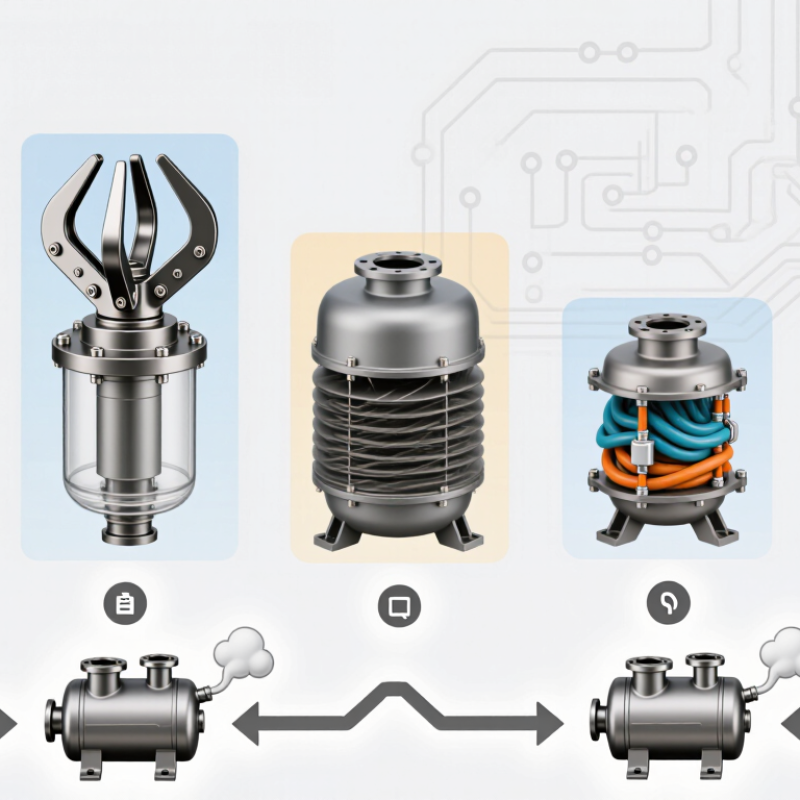
What Is a Dry Vacuum Pump and How Does It Work?
A dry vacuum pump removes gas without using oil in its pumping chamber. Its rotor, screw, scroll, or diaphragm moves gas from the inlet toward the exhaust. Clearances and timed motion keep most gas from flowing backward. No sealing oil in the chamber. This reduces oil contamination, but it does not make every exhaust stream clean or maintenance-free.
Common designs include screw, scroll, claw, and diaphragm pumps. Their performance differs. A screw pump suits continuous process gas, while a diaphragm pump often serves smaller flows. ISO 21360-1:2020 defines methods for measuring vacuum-pump performance, including pumping speed and pressure. These measurements matter: a pump’s rated speed alone cannot predict how quickly it will evacuate a real vessel. In practice, long pipe runs, warm surfaces, leaks, and condensable vapor can slow the result. A gauge may also read differently depending on its position. Dry does not mean trouble-free. Dust or sticky process residue can still wear clearances, so confirm gas compatibility and service conditions before choosing a type.
How Do the Main Dry Pump Types Differ?
Dry vacuum pumps differ mainly in how they move gas, handle process vapors, and manage maintenance. Screw pumps use rotating, non-contacting rotors to move gas continuously; they suit higher throughput and variable process loads, but heat and condensate control matter. Claw pumps use paired rotors and often provide a durable option for coarse-to-medium vacuum. Scroll pumps are compact and relatively quiet, though their capacity is usually lower. Small details matter.
A Roots booster can increase throughput, but it generally needs a backing pump rather than working alone. Compare the complete pump train, not just the booster.
ISO 21360-1:2020 standardizes vacuum-pump performance measurements, including pumping speed, helping buyers compare test results on a consistent basis.
Energy deserves equal attention: the U.S. Department of Energy’s 2014 motor-system sourcebook reports that motor-driven systems use about 54% of U.S. manufacturing electricity. That figure is not specific to vacuum pumps, but it shows why power draw belongs in the selection checklist.
Measure actual kWh per production cycle, especially when operating conditions change. A catalog rating may not match the factory floor.
Where Is Each Type of Dry Vacuum Pump Best Suited?
Dry scroll pumps suit laboratories, analytical instruments, and small systems that need clean vacuum with little routine maintenance. Their oil-free operation helps protect sensitive samples, though seals can wear and may need scheduled replacement. Dry diaphragm pumps work well for filtration, degassing, and handling modest flows of solvent vapor. They are compact and often chemically compatible, but check the materials against the actual vapor mixture. Not every “chemical-resistant” setup fits every process.
Dry screw pumps are a stronger choice for continuous industrial duties, including coating, drying, and processes with changing gas loads. Heated designs can reduce condensation, but temperature and cleaning needs deserve careful review. Dry claw pumps often serve as robust roughing pumps in packaging, conveying, and general plant vacuum systems. They handle routine service well, though their operating range may not suit every deep-vacuum requirement. Dry Roots pumps are commonly paired with a backing pump to increase pumping speed at lower pressures; alone, they are usually not the full solution. A useful selection starts with the gas, target pressure, throughput, and duty cycle. Real operating conditions can be messier than the specification sheet.
Top Dry Vacuum Pump Types in 2026: Where Each Type Fits Best
Typical application fit for common dry pump designs
Scores are qualitative guidance on a 1–5 scale, not measured performance or product specifications. Dry screw pumps often suit process and vapor-heavy duties; claw pumps suit robust industrial service; scroll pumps are commonly used for clean, quiet laboratory vacuum; diaphragm pumps suit small-scale, oil-free chemical and laboratory applications. Actual suitability depends on the gas, pressure, flow, materials, and operating conditions.
How to Choose the Right Dry Vacuum Pump for Your Needs?
Choosing the right dry vacuum pump starts with the process, not the catalog.
Define the required pressure, gas flow, operating hours, and acceptable contamination level. A screw pump suits many continuous processes with changing gas loads. Claw designs can handle robust industrial duties, while scroll and diaphragm pumps fit cleaner, lower-flow applications. These are tendencies, not rules. Check the pump’s performance curve at your actual inlet pressure; a low ultimate-pressure figure alone can mislead.
Consider what enters the pump. Corrosive vapors, condensable solvents, and fine particles may require compatible materials, purge gas, heating, or upstream filtration. Also assess exhaust treatment, noise, service access, and the cost of replacement parts. The U.S. Department of Energy’s Improving Pumping System Performance: A Sourcebook for Industry reports that pumping systems can use 25–50% of energy in some industrial facilities. That figure covers pumping systems broadly, not dry vacuum pumps specifically, but it makes operating efficiency worth checking alongside purchase price.
Tips: Ask suppliers for a selection based on your gas composition, flow, and duty cycle. Compare power draw at the working point, not only at peak capacity. Confirm maintenance intervals and request a test with representative process conditions when possible. A clean laboratory result may not predict a dusty, humid production shift. That gap matters.