Top 10 Vacuum Pump Oils: Choosing the Best for Optimal Performance
In the world of industrial maintenance and equipment reliability, selecting the right vacuum pump oil is paramount for ensuring optimal performance and longevity of vacuum systems. According to a report by the International Journal of Industrial Lubrication, improper lubrication can lead to a 30% reduction in vacuum pump efficiency, emphasizing the crucial role that vacuum pump oil plays in operational success. As the demand for high-performance machinery grows, so does the necessity for superior lubrication solutions tailored to the specific requirements of vacuum pumps.
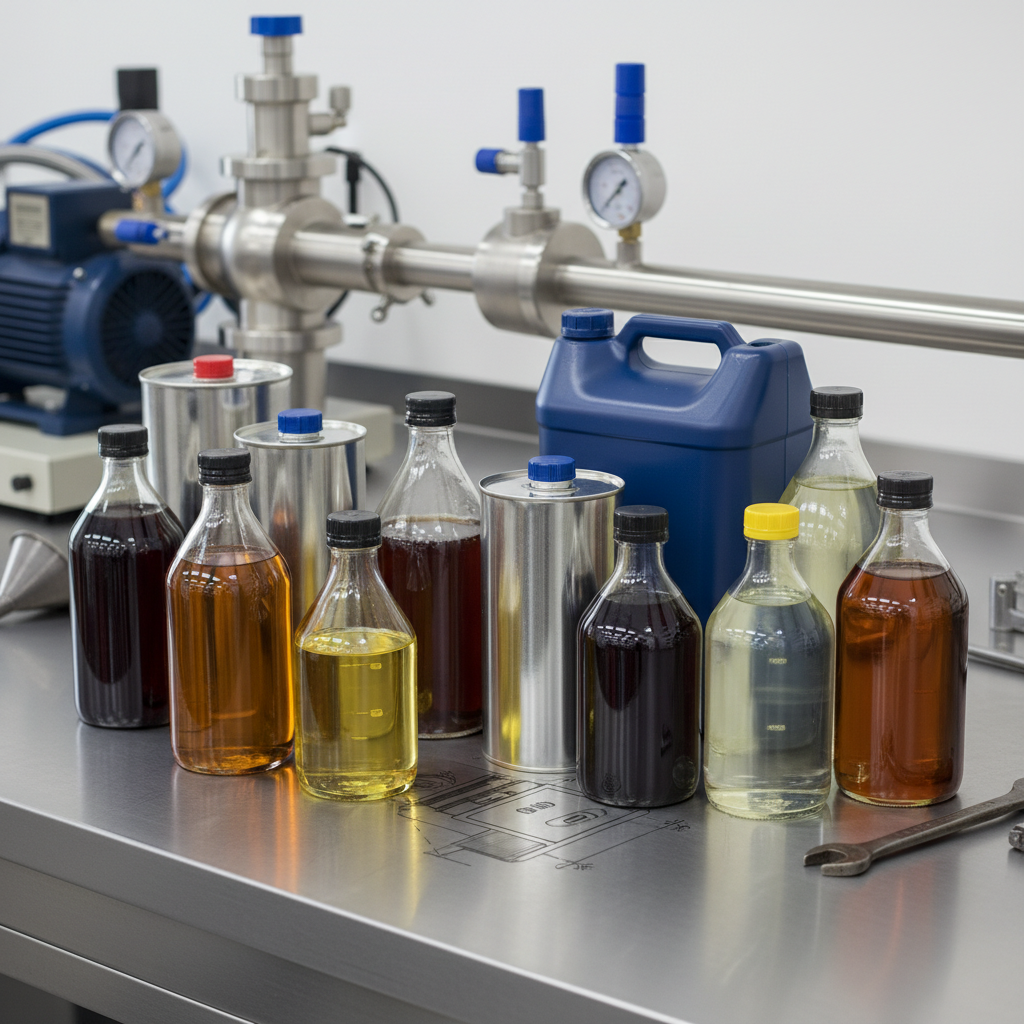
Dr. Rebecca Thomas, a renowned expert in lubrication technology, notes that "the choice of vacuum pump oil can significantly impact both the performance and lifespan of vacuum systems." This statement underscores the importance of selecting the right formulation, as various applications may require oils with differing viscosities, thermal stability, and resistance to oxidation. By carefully evaluating the top vacuum pump oils on the market, users can ensure that their equipment runs smoothly, reducing downtime and maintenance costs, ultimately leading to enhanced productivity within their operations. In this article, we will explore the top 10 vacuum pump oils, providing insights into their benefits and helping you make an informed decision for your specific needs.
Essential Factors to Consider When Selecting Vacuum Pump Oils
When selecting vacuum pump oils, several essential factors must be considered to ensure optimal performance and longevity of your equipment.
First and foremost, the viscosity of the oil plays a crucial role. Choosing the right viscosity level allows for better lubrication and reduces wear on internal components, minimizing the risk of malfunction.
It's vital to select an oil that matches the specifications provided by the pump manufacturer to ensure compatibility and efficiency.
Another critical factor is the oil's thermal stability.
High temperatures can lead to oil breakdown, resulting in reduced performance and increased maintenance costs.
Look for vacuum pump oils formulated to maintain their properties under varying temperature conditions.
Additionally, consider the oil’s resistance to chemical contamination, which can degrade its performance over time.
Tips: Always check the oil's compatibility with the materials used in your vacuum pump to prevent any adverse reactions that can lead to premature wear.
Also, pay attention to the oil change intervals; adhering to recommended schedules can significantly enhance the performance and durability of your vacuum pump.
Regularly monitor the oil condition and replace it if you notice signs of contamination or degradation.
Top Five Vacuum Pump Oils of 2025: Performance and Efficiency
When selecting vacuum pump oils, choosing a product that ensures optimal performance and efficiency is crucial for various industrial applications. The top five vacuum pump oils of 2025 have emerged based on their advanced formulations and superior capabilities. These oils not only facilitate high-quality vacuum levels but also enhance the longevity of the pumps, reducing maintenance costs and downtime in operations.
Leading the list is a synthetic oil that boasts high thermal stability, making it ideal for high-temperature applications. Its excellent lubricating properties minimize wear and tear on pump components, thus extending service life. Another standout option features modern additive technology that offers enhanced protection against oxidation and foam formation, providing consistent performance over longer periods. The third oil combines innovative viscosity modifiers that adapt to temperature changes, ensuring optimal flow and efficient pumping regardless of operational conditions. The remaining two products round out the list with a focus on eco-friendliness and ease of use, making them suitable for companies looking to adopt sustainable practices while maintaining high performance.
Top 10 Vacuum Pump Oils: Choosing the Best for Optimal Performance
Comparative Analysis of Synthetic vs. Mineral Vacuum Pump Oils
When selecting vacuum pump oils, one of the key considerations is whether to choose synthetic or mineral oils.
Synthetic vacuum pump oils are engineered from chemical compounds and are known for their superior lubricating properties.
They typically offer better thermal stability, lower volatility, and increased resistance to oxidation, making them ideal for
high-performance applications where extreme operating conditions are present.
This results in extended oil life and reduced maintenance needs, which are critical for operations relying on consistent vacuum levels.
On the other hand, mineral vacuum pump oils are derived from refined crude oil and have been traditionally used in various applications due to their cost-effectiveness.
While they may not match the performance of synthetic oils in terms of temperature range and resistance to breakdown,
many mineral oils have improved over the years and can still provide adequate protection for less demanding environments.
They often contain additives to enhance performance, but users need to consider the potential for faster deterioration under high temperatures and pressures.
Ultimately, the choice between synthetic and mineral oils will depend on the specific requirements of the vacuum system and budget considerations.
Understanding the Impact of Oil Viscosity on Pump Performance
When selecting vacuum pump oils, understanding the impact of oil viscosity is crucial for optimal pump performance. Viscosity refers to the thickness of the oil, which affects its flow characteristics and how well it lubricates the moving parts within the pump. A low-viscosity oil provides better fluidity, allowing for smoother operation and increased efficiency, especially in applications requiring quick temperature changes. Conversely, high-viscosity oils tend to provide better protection against wear and tear during high-load operations but may impede flow rates in some cases.
The relationship between oil viscosity and pump performance is particularly evident during startup and operation. During initial startup, a lower viscosity oil can reduce resistance, enabling the pump to reach operational speeds more quickly. On the other hand, once the system is up and running, selecting an appropriate viscosity balance is essential. Oils that are too thin may not adequately lubricate, leading to increased friction and potential damage, while oils that are too thick can cause excessive energy consumption and decreased efficiency. Therefore, understanding the specific requirements of the pump and operational conditions is key to choosing the right vacuum pump oil for sustained performance.
Maintenance Tips for Extending the Life of Vacuum Pump Oils
When it comes to maintaining vacuum pumps, extending the life of the oil used is crucial for optimal performance. Research by the Vacuum Technology Association indicates that proper maintenance can increase the lifespan of vacuum pump oils by up to 50%. Regular oil changes and monitoring are essential, as old oil can lead to decreased efficiency and increased wear on components.
Tips for Maintenance: One effective practice is to routinely check the oil level and its condition. If you notice discoloration or a cloudy appearance, it may be time for a change. Additionally, consider implementing a filter replacement schedule every 3 to 6 months to prevent contaminants from degrading the oil quality. Keeping the pump clean and allowing for sufficient cooling will also contribute to the longevity of the oil.
Another important factor is operating within recommended temperature ranges. Oils that exceed their maximum operating temperatures can degrade rapidly, leading to potential failures. The National Institute of Standards and Technology suggests maintaining temperatures below 70°C to help preserve oil integrity. By following these maintenance tips, you can ensure that your vacuum pump oils perform efficiently for as long as possible.