Top 10 Uses of Malic Acid Powder for Global Buyers?
Malic Acid Powder is increasingly popular among global buyers. This versatile compound has numerous applications that cater to various industries. As a natural organic acid, it plays a crucial role in food, beverages, cosmetics, and health supplements. Companies are drawn to its unique properties and benefits.
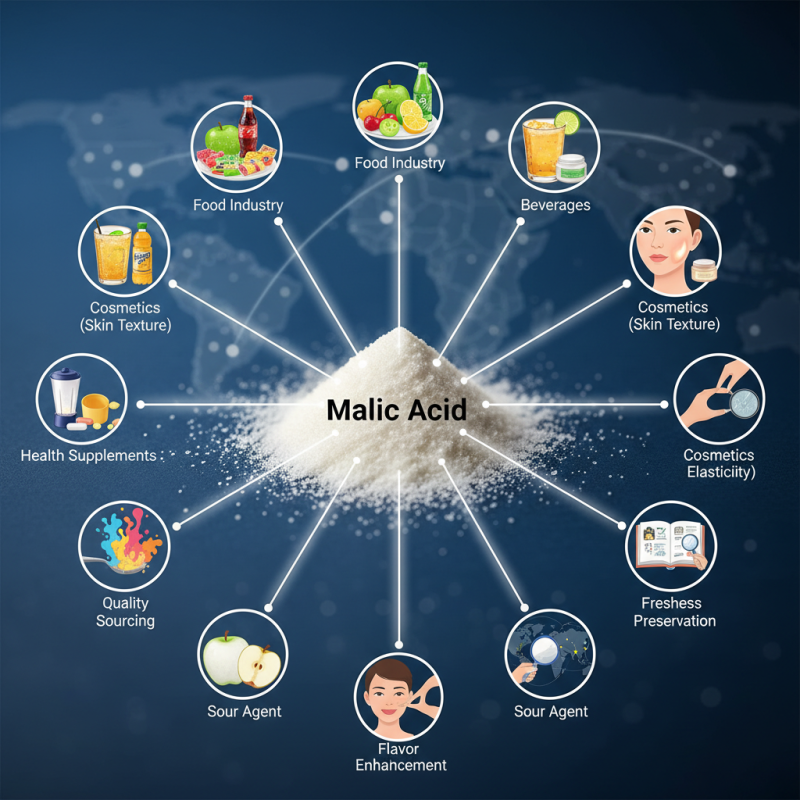
In the food industry, Malic Acid Powder enhances flavors and preserves freshness. It acts as a sour agent, making products more appealing. Meanwhile, in cosmetics, it helps improve skin texture and elasticity. These diverse uses showcase its essential role in enhancing product quality.
While many companies utilize Malic Acid Powder, some challenges exist. Sourcing quality ingredients can be tricky. Additionally, understanding proper dosage is vital to avoid adverse effects. This highlights the need for informed sourcing and usage. As demand grows, buyers must stay informed about the best practices.
Malic Acid Powder: An Overview of Its Properties and Benefits
Malic acid powder is a versatile compound used in various industries. This organic acid naturally occurs in fruits like apples and cherries. Its key properties include being a natural preservative and an effective acidulant. According to a report by the Global Food Ingredients Market, malic acid is projected to grow at a CAGR of 4.2% through 2026, reflecting its rising popularity.
In the food industry, malic acid enhances flavors and extends shelf life. It helps balance sweetness in candies and beverages. Research indicates that it can reduce oxidative stress, contributing to its appeal in health products. The powder is also used in dietary supplements for its potential energy-boosting effects. These qualities make malic acid powder valuable to manufacturers and consumers alike.
However, malic acid is not without challenges. Some users report digestive discomfort at higher doses. Understanding individual tolerance is crucial. Additionally, sourcing high-quality malic acid can be inconsistent in some markets. This calls for careful selection and testing by buyers to ensure reliability and efficacy. Balancing benefits with potential drawbacks is essential for informed usage.
Top 10 Uses of Malic Acid Powder for Global Buyers
| Use Case | Description | Industry | Benefits |
| Food Additive | Enhances flavor and acidity in food products. | Food & Beverage | Improves taste and preserves freshness. |
| Cosmetic Ingredient | Used for skin exfoliation and rejuvenation. | Cosmetics | Promotes healthier skin and reduces signs of aging. |
| Nutritional Supplement | Supports energy production and metabolism. | Health & Wellness | Boosts energy levels and enhances athletic performance. |
| pH Regulator | Balances acidity levels in various formulations. | Multiple Industries | Ensures product stability and consistency. |
| Flavor Enhancer | Improves overall taste and flavor profile. | Food & Beverage | Enhances consumer experience with taste. |
| Cleaning Agent | Used in formulations for kitchen and home cleaning. | Cleaning Products | Effective in removing stains and dirt. |
| Agricultural Additive | Used to improve crop yield and quality. | Agriculture | Enhances nutrient absorption in plants. |
| Pharmaceutical Ingredient | Formulated in medications for efficacy. | Pharmaceuticals | Aids in better drug delivery and absorption. |
| Textile Finishing | Used in textile processing to enhance softness. | Textiles | Improves feel and quality of fabric. |
| Beverage Stabilizer | Helps in maintaining beverage clarity and taste. | Beverages | Prolongs shelf life of liquid products. |
Key Applications of Malic Acid Powder in Food and Beverage Industry
Malic acid powder plays a significant role in the food and beverage industry. It is widely recognized for its sour taste, which enhances the flavor profile of various products. Recent reports show that the global demand for malic acid has increased significantly, reaching approximately $250 million in 2022. This growth highlights its importance among food formulators.
In the beverage sector, malic acid is commonly used as an acidulant. It not only contributes to tartness but also balances sweetness in soft drinks and fruit juices. A study indicated that beverages containing malic acid are preferred by over 60% of consumers for their refreshing taste. Furthermore, in confectionery, it provides a tartness that complements sweet flavors, making candies more appealing.
Moreover, malic acid is often utilized in baking as a pH regulator. This application helps to enhance the texture of baked goods. It also plays a role in preserving food, extending shelf life. However, manufacturers must navigate regulatory standards, as formulations can vary significantly. Despite its widespread use, some formulations can lead to undesirable aftertastes if not balanced correctly. This reflects the ongoing need for innovation and assessment in product development within the industry.
Exploring the Role of Malic Acid Powder in Dietary Supplements
Malic acid powder has gained attention in the dietary supplement industry. Its role extends beyond mere flavoring. This compound may enhance energy production and support exercise performance. Athletes often seek malic acid for its potential benefits in reducing muscle fatigue. Many believe it helps improve stamina during workouts.
The powder is naturally found in fruits. Apples are a rich source, hence its name. Incorporating malic acid in supplements appeals to health-conscious consumers. Some studies hint at its possible role in improving liver function as well. This aspect attracts those looking for detoxification solutions.
While malic acid is popular, evidence varies. Some users report positive effects, while others see no changes. Different factors like dosage and personal health can influence outcomes. It’s crucial to evaluate these nuances before integrating malic acid into any supplement regimen. In exploring its uses, there is a need for more in-depth research for clarity.
Malic Acid Powder in Cosmetic and Personal Care Products
Malic acid powder plays a crucial role in cosmetic and personal care products. Rich in alpha-hydroxy acids (AHAs), it helps to exfoliate the skin gently. This natural ingredient can improve skin texture and brightness. Studies suggest that products containing malic acid can enhance moisture retention, making skin appear plumper.
In recent reports, the global market for malic acid in cosmetics is expected to grow significantly. Some sources project a CAGR of 6.5% over the next five years. This growth reflects consumer interest in natural and effective skincare solutions. Malic acid's ability to mitigate irritation while promoting cell renewal is a significant selling point for formulators.
Beyond skin care, this powder finds its use in hair care formulations. Malic acid can help balance pH levels in hair products. Balanced products are less likely to cause damage. However, despite its benefits, malic acid's effect can vary based on formulation. Some formulations may not deliver the desired results. Users should remain aware of product concentration and formulation quality.
Innovative Uses of Malic Acid Powder in Cleaning and Household Products
Malic acid powder is gaining traction in the cleaning and household products sector. This organic compound offers unique advantages that enhance both effectiveness and safety. According to market reports, the demand for eco-friendly cleaning alternatives has surged, indicating a shift in consumer priorities. Malic acid is considered a natural chelating agent, which helps to enhance cleaning efficiency.
With its ability to dissolve mineral deposits, malic acid powder is effective in bathroom cleaners. It removes soap scum and hard water stains without the harshness of synthetic chemicals. Households benefit from its biodegradable nature as it reduces ecological impact. A 2022 study revealed that 78% of consumers favor products featuring natural ingredients over traditional chemical-based options.
In addition to cleaning, malic acid serves as a pH balancer in many formulations. This attribute provides stability and improves product performance. However, some formulations may require careful consideration of concentration levels. Overuse can lead to skin irritation, marking a critical area for research and product development. The balance between effectiveness and safety remains crucial in the formulation of household products.
Top 10 Uses of Malic Acid Powder