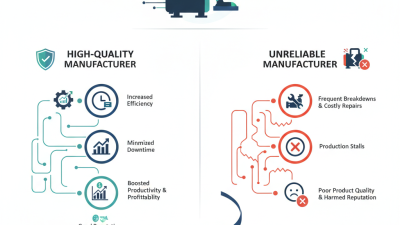
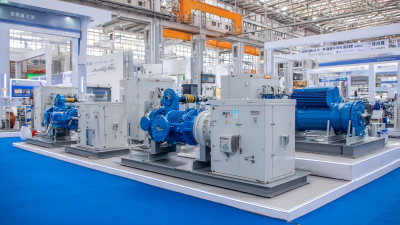
Choosing a rotary vane pump manufacturer is not just a price comparison. Buyers need to match pump design, materials, capacity, and service support to the actual application. A pump handling clean laboratory air may face very different demands from one used in packaging, printing, or industrial vacuum systems. Small details matter: inlet size, operating pressure, noise level, and the time required to obtain replacement vanes.
This guide introduces manufacturers serving global buyers and explains what to check before requesting a quotation. It considers product range, technical documentation, customization, quality controls, and access to spare parts. These points can help narrow a supplier shortlist, but they cannot replace application-specific testing. Ask for performance curves and confirm whether published figures apply to continuous operation. A polished brochure is useful. It is not proof of fit.
There is no universal best choice. Some buyers prioritize compact dimensions; others need steady operation across long shifts or dependable regional support. Compare the pump against your process conditions, not just a headline specification. And check the details. Delivery estimates, warranty terms, and service coverage can change by market. Manufacturer information also changes over time, so verify current claims directly before making a purchase. A careful comparison may take longer, but it can prevent an expensive mismatch. Even experienced buyers can overlook a small connection detail. That happens.
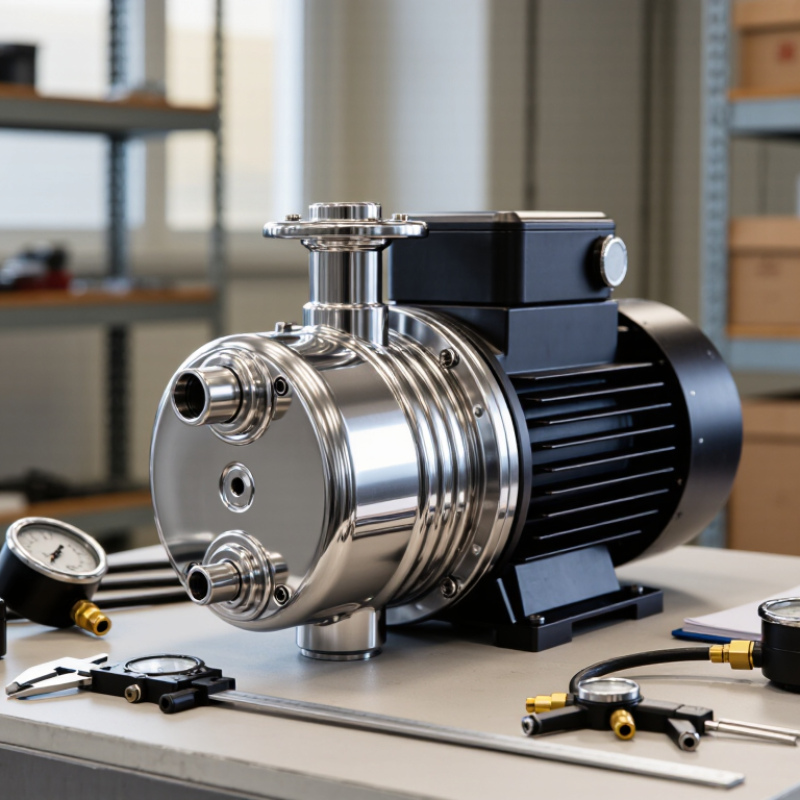
Rotary vane pumps move gas by trapping it in changing spaces inside a rotating assembly. A rotor turns off-center within a cylindrical chamber. Sliding vanes extend from slots in the rotor and follow the chamber wall, dividing the space into sealed pockets. As the rotor turns, each pocket grows near the inlet, draws in gas, then shrinks toward the outlet. The cycle is continuous. Simple in principle, but sensitive to wear.
In oil-sealed designs, a thin film lubricates moving parts and helps limit leakage between pockets. Oil condition matters: contamination or low levels can affect sealing and raise operating temperatures. Regular checks of oil, filters, and vane wear can prevent avoidable downtime. A slight change in pump sound may also signal a developing issue, though sound alone is not a diagnosis.
These pumps are used in packaging equipment, laboratory systems, vacuum handling, and industrial processes that need dependable low-pressure operation. For example, a packaging line may use a rotary vane pump to remove air from a sealed pouch. Selection depends on required vacuum level, flow rate, duty cycle, and the gases being handled. Not every model suits every process; checking the operating conditions is essential.
Top Rotary Vane Pump Manufacturers for Global Buyers
Criteria for Evaluating Rotary Vane Pump Manufacturers
Choosing a rotary vane pump manufacturer takes more than comparing catalog prices. Start with the operating conditions: required flow, ultimate pressure, gas composition, duty cycle, and ambient temperature. A pump sized for occasional laboratory use may struggle on a production line running through long shifts. Ask for performance curves and test conditions, not just a headline vacuum figure. Details matter.
Assess materials and serviceability against your process. Oil quality, seal compatibility, vane materials, and cooling design can affect maintenance intervals and contamination risk. Request clear guidance on oil changes, filter replacement, and troubleshooting. A parts list is useful; a parts list with availability estimates is better. I have seen buyers overlook this until a shutdown makes the question urgent.
A credible supplier should provide traceable test records, realistic specifications, and responsive technical support. Check whether stated performance reflects the complete pump or a specific test setup. Ask how warranty claims are handled and whether replacement parts can be shipped reliably to your region. Be cautious of promises that sound unusually precise without supporting data. No checklist removes every risk, and real operating conditions can expose gaps that a clean datasheet cannot.
| Evaluation Criterion | Suggested Weight | What to Verify | Useful Evidence or Benchmark | Buyer Assessment |
|---|---|---|---|---|
| Pumping speed and operating range | 15% | Confirm rated displacement, effective pumping speed, inlet-pressure range, and performance at the intended operating point. | Request a performance curve and test conditions; compare models at the required pressure rather than by nominal displacement alone. | Score: ____ / 5 |
| Ultimate pressure | 12% | Check the stated ultimate pressure and whether it is total or partial pressure, including the specified gas-ballast and measurement conditions. | Oil-sealed two-stage rotary vane pumps commonly achieve lower ultimate pressures than single-stage designs; verify the model-specific specification and test method. | Score: ____ / 5 |
| Gas-ballast and vapor handling | 10% | Determine whether gas ballast is available and suitable for the expected water-vapor or other condensable-vapor load. | Ask for the water-vapor tolerance, operating guidance, and any impact on ultimate pressure when gas ballast is open. | Score: ____ / 5 |
| Materials and process compatibility | 10% | Review wetted materials, seal materials, oil compatibility, and limitations for corrosive, reactive, or particulate-laden gases. | Obtain written compatibility guidance for the actual gas mixture and process conditions; standard oil-sealed pumps are not suitable for every gas. | Score: ____ / 5 |
| Reliability and service life | 10% | Assess duty-cycle limits, recommended maintenance intervals, wear-part availability, and documented field-service support. | Request maintenance schedules, warranty terms, and references for comparable applications; distinguish published ratings from guaranteed service life. | Score: ____ / 5 |
| Energy use, noise, and heat | 8% | Compare motor input power, sound-pressure level, cooling requirements, and operating temperature at the intended load. | Request values with stated test conditions and check whether noise data are measured at a defined distance and operating state. | Score: ____ / 5 |
| Quality management and compliance | 10% | Confirm applicable quality-system certification, electrical requirements, safety documentation, and market-specific conformity documentation. | Check certificate scope, validity, model coverage, and destination-country requirements; certification should be verified with the issuing body where needed. | Score: ____ / 5 |
| Spare parts and technical support | 8% | Evaluate parts availability, service coverage, troubleshooting response, manuals, and access to trained technicians in the destination market. | Request a parts list, typical lead times, service contact details, and confirmation that documentation is available in a usable language. | Score: ____ / 5 |
| Delivery, export, and packaging | 7% | Check production lead time, shipping options, export documentation, packaging protection, and responsibilities under the quoted delivery terms. | Request a written delivery schedule and confirm packing, customs documentation, and shipment terms before placing an order. | Score: ____ / 5 |
| Total cost of ownership | 10% | Consider purchase price, oil and filter consumption, electricity, scheduled maintenance, spare parts, and expected downtime. | Compare costs over the same service period and duty cycle; include consumables and service requirements rather than purchase price alone. | Score: ____ / 5 |
| Weighted total | Calculate each criterion score against its weight. Use model-specific documentation and application requirements when comparing suppliers. | |||
Manufacturers serving global buyers need to do more than build rotary vane pumps. They should provide clear performance data, practical technical support, and dependable access to replacement parts. Buyers can compare flow rate, ultimate pressure, operating temperature, and noise levels against their actual process requirements. A pump that looks suitable on paper may behave differently in a warm, dusty workshop. Details matter.
Ask manufacturers how they test pumps before shipment and what information they provide for installation and maintenance. Useful documentation includes wiring diagrams, oil specifications, service intervals, and troubleshooting steps. Confirm that support teams can communicate in your preferred language and time zone. Spare-part availability also matters when a production line cannot wait. Not every fit. A low purchase price may bring extra costs if routine servicing is difficult or delivery takes longer than expected.
Experienced suppliers should explain the limits of their equipment, not just its advantages. Request references or test records for applications similar to yours, while checking that the operating conditions truly match. Be cautious with broad claims that lack measurable figures. There is no perfect checklist; I would still revisit the choice after seeing the pump run under real working conditions.
Rotary vane pump buyers should compare more than flow rate and ultimate pressure. Certification scope varies by destination. In the European Economic Area, CE marking applies when relevant product rules require it; buyers should request the applicable conformity documents, not just a logo. In North America, electrical approvals may matter for the motor and control panel. ISO 9001 certification can indicate a quality-management system, but it does not prove a pump meets a particular duty cycle.
Distribution shapes delivery risk. The World Bank’s 2023 Logistics Performance Index rated Singapore 4.3 out of 5 and Germany 4.1, reflecting national logistics performance—not a pump supplier’s warehouse capacity. That distinction matters. Ask for local stock levels, spare-part lead times, and the name of the service partner before placing an order. A pump needed for a production line cannot wait weeks for a seal kit.
Service also varies by region. In remote sites, a clear troubleshooting guide and trained local technicians may matter more than a low purchase price. Request sample maintenance intervals, warranty response times, and evidence of technician training. ISO 10012 addresses measurement-management systems, but it is not a blanket certification for pump performance. Paperwork helps. Field experience counts, too. And it is easy to overestimate how quickly a distributor can respond.
Illustrative qualitative comparison of common certification, distribution, and service considerations. Scores are not measured market data; requirements vary by product, application, and country.
EU buyers may need to check CE conformity and, for explosive atmospheres, ATEX suitability. North American buyers often verify applicable electrical approvals and local service access. In China, confirm whether a product falls within a CCC-regulated category. Ask suppliers to document the requirements that apply to the specific pump and installation.
Choosing a rotary vane pump manufacturer starts with the actual duty, not a catalog headline. Define the required flow, pressure or vacuum level, daily run time, and expected start-stop frequency. A pump running continuously in a warm enclosure faces different demands from one used intermittently in a clean workshop. Small details matter.
Share the fluid type, viscosity, operating temperature, and any risk of dust or moisture with the manufacturer. These factors influence vane materials, seals, cooling, and service intervals. Ask for performance curves at conditions close to yours, not only maximum ratings. A curve tested at a different inlet pressure may not predict field performance well. Request clear guidance on allowable operating ranges and maintenance checks.
Consider the installation, too. Measure available space, connection sizes, ventilation, and acceptable noise levels. Discuss spare-part availability and typical service procedures; replacing vanes should not require guesswork. A capable supplier can explain trade-offs and provide application-specific documentation. Still, no specification sheet captures every site condition. I have seen selection decisions focus heavily on purchase price, then overlook heat buildup or frequent cycling. That is easy to miss, and worth reviewing before ordering.