What is Oil Vacuum and How Does It Work?
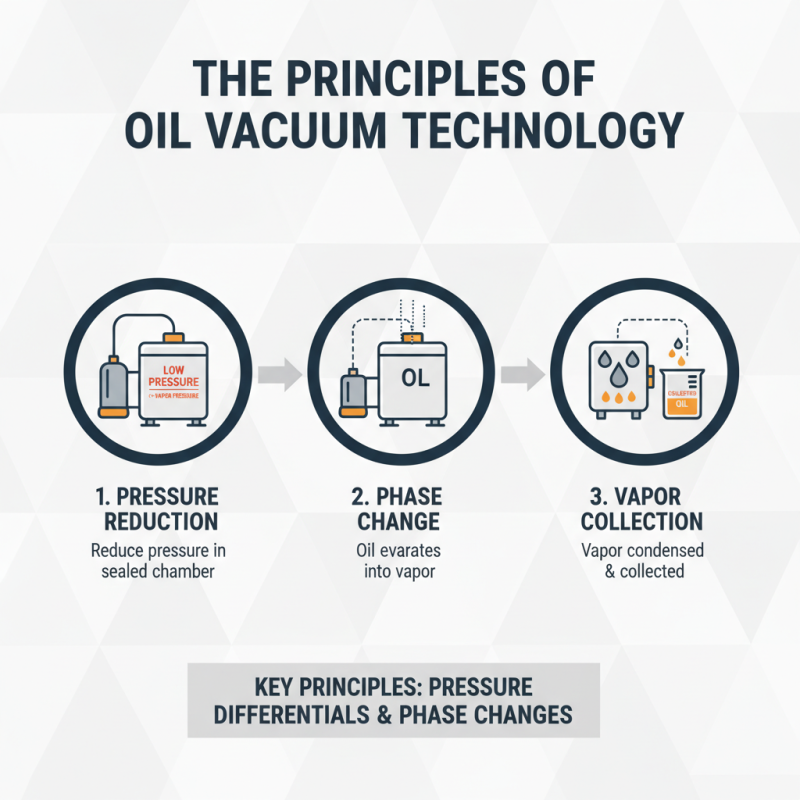
Oil vacuum technology plays a crucial role in various industries. It is a process that uses vacuum pressure to extract oil from different sources. Understanding how oil vacuum works is essential for both businesses and consumers alike.
This method is commonly employed to improve oil quality and efficiency. In many cases, oil vacuum systems remove impurities and water from oil. This enhances the oil's performance and prolongs its lifespan. However, implementing oil vacuum technology requires careful consideration of equipment and process.
Despite its benefits, some challenges exist. Not every oil type can be effectively treated using oil vacuum methods. Operators must be knowledgeable about the specific needs of their systems. Also, it’s important to assess the technology’s environmental impact. An informed approach to using oil vacuum can lead to better outcomes in performance and sustainability.
What is an Oil Vacuum?
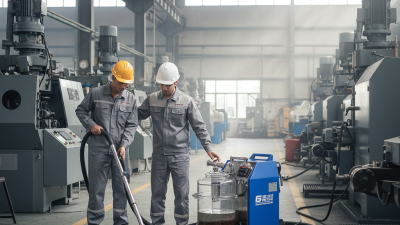
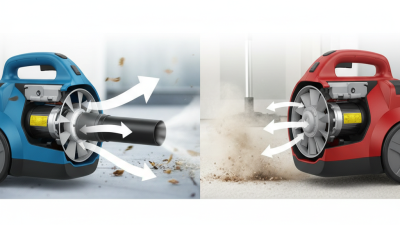
An oil vacuum is a specialized device used for collecting and removing oil from various environments. This tool is crucial in industries such as automotive, marine, and manufacturing, where the collection of waste oil is necessary for maintenance and environmental safety. An oil vacuum operates through a suction mechanism that creates a vacuum, drawing oil from the targeted area.
Industry reports indicate that improper disposal of oil can lead to severe environmental issues, including soil and water contamination. The global oil recovery market was valued at over $100 billion in 2023, underscoring the necessity of efficient oil management. Many facilities now use oil vacuums to streamline recovery processes. The equipment not only helps in cleaning up but also in recycling used oil, promoting sustainability.
Tips: Regular maintenance checks on your oil vacuum ensure optimal performance. Make sure to replace filters and check hoses frequently. Additionally, train staff on proper usage to avoid accidents and leaks. Investing in a quality oil vacuum system pays off, saving time and preventing costly spills.
What is Oil Vacuum and How Does It Work? - What is an Oil Vacuum?
| Parameter |
Description |
| Definition |
An oil vacuum is a system designed to remove oil or other liquids from surfaces or containers using vacuum pressure. |
| How It Works |
It operates by creating a vacuum environment that lowers the pressure, allowing oil to flow towards the vacuum source. |
| Applications |
Used in industrial cleaning, automotive maintenance, and oil recovery processes. |
| Benefits |
Efficient oil removal, reduced spills, safer working environment, and better waste management. |
| Types |
Includes vacuum pumps, oil recovery systems, and portable vacuum extractors. |
| Maintenance |
Regular checks on filters and seals, oil level monitoring, and timely servicing. |
Components of an Oil Vacuum System
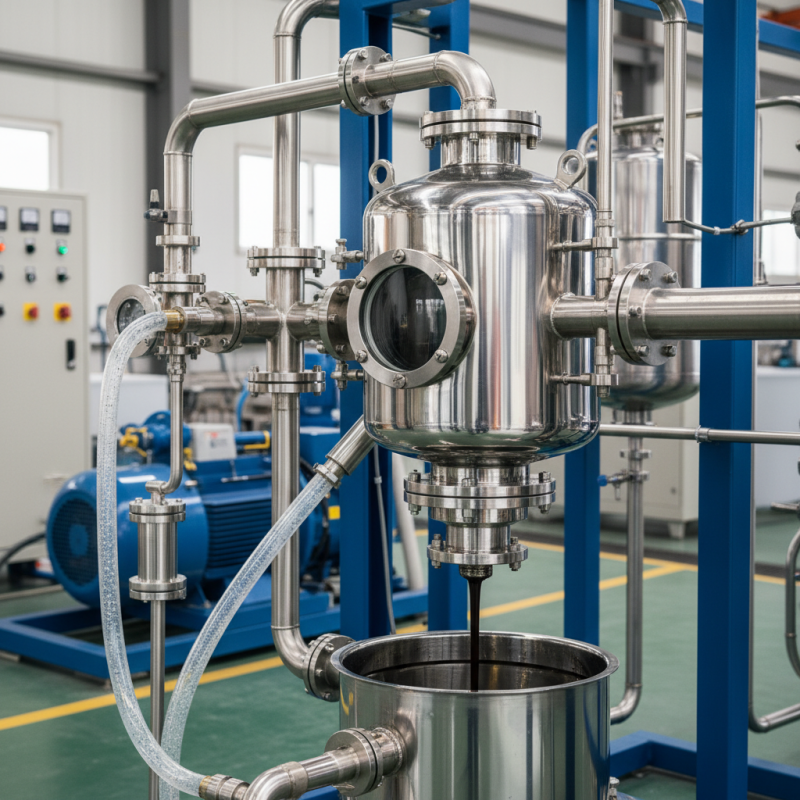
An oil vacuum system is crucial in various industrial applications, including oil recovery and waste management. Understanding its components can help professionals optimize performance. Key components include a vacuum pump, a separator, a storage tank, and a control unit. Each part serves a specific function, ensuring efficiency and safety during operations.
The vacuum pump creates the necessary suction, drawing oil into the system. Data from industry reports indicate that properly maintained vacuum pumps can achieve up to 75% efficiency, significantly impacting operational costs. The separator then removes water and solids from the oil, allowing for cleaner processing. This step is vital, as impurities can lead to equipment failure.
**Tip:** Regularly inspect the separator for blockages to maintain optimal flow rates.
Finally, the storage tank secures the collected oil until processing. Choosing the right tank material is crucial to prevent corrosion. Many operators overlook this aspect, which can lead to costly repairs down the line.
**Tip:** Implement a routine inspection schedule to identify wear in the storage components. Managing these aspects can enhance the reliability of an oil vacuum system.
How Oil Vacuum Systems Operate
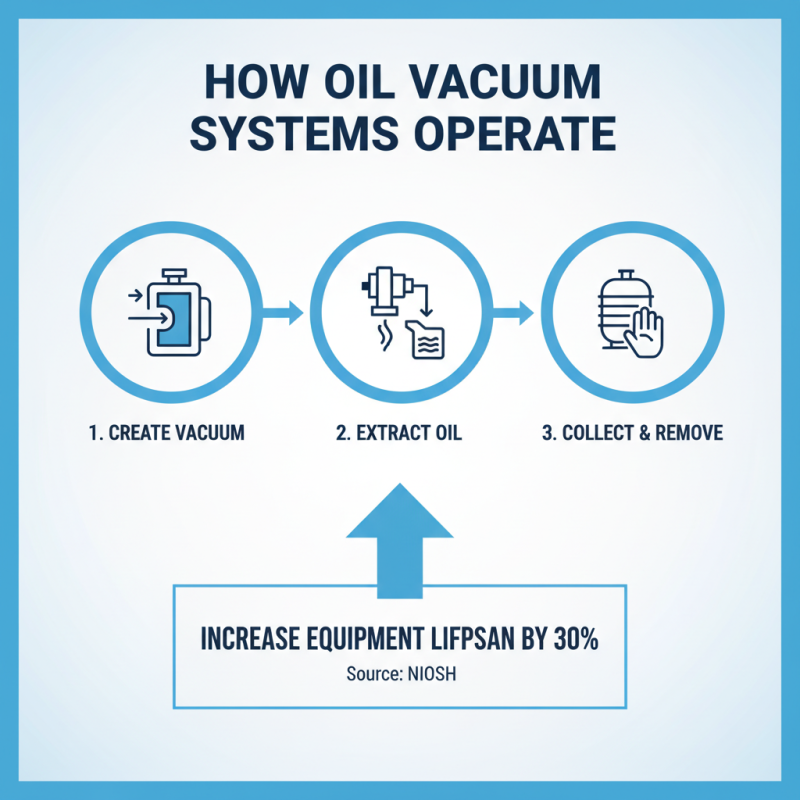
Oil vacuum systems are designed to extract oil from machinery and equipment, ensuring optimal performance and longevity. They function by creating a vacuum that pulls oil into a reservoir, allowing for easy removal and maintenance. According to the National Institute for Occupational Safety and Health (NIOSH), proper oil management can increase equipment lifespan by up to 30%. This statistic highlights the importance of effective operation in oil vacuum systems.
The operation involves several key components. A vacuum pump creates the necessary suction, while filters and separators ensure that only clean oil is extracted. Many systems utilize sensors to monitor oil levels and quality during operation. Data from the American Petroleum Institute indicates that up to 25% of machine failures are linked to poor oil maintenance. This reflects a critical area for improvement in many industries relying on oil for lubrication.
However, these systems are not without challenges. Users often overlook the maintenance of oil vacuum equipment itself. This can lead to reduced efficiency and increased operational costs. Regular inspections and proper training are essential for operators. Without them, the effectiveness of an oil vacuum system diminishes significantly. Continuous improvement and awareness of these factors are vital for optimal functionality.
Applications and Benefits of Oil Vacuum Systems
Oil vacuum systems play a crucial role in various industrial applications. They are designed to efficiently remove unwanted oil, moisture, and pollutants from equipment. According to a recent report by the International Energy Agency (IEA), the global demand for oil vacuum systems is projected to grow by 5% annually. This growth reflects their increasing necessity for maintaining operational efficiency in sectors such as automotive, power generation, and manufacturing.
One of the significant benefits of oil vacuum systems is reducing equipment failure. Regular vacuum oil extraction helps extend the lifespan of machinery. The American National Standards Institute (ANSI) suggests that proper maintenance can decrease repair costs by up to 30%. This is vital for companies focusing on reducing operational expenses while maximizing productivity.
Tips: Regularly monitor oil quality. Poor quality can lead to increased wear and tear. Consider implementing a scheduled maintenance plan. This ensures the efficiency of your oil vacuum system. Additionally, invest in training for your team. Knowledgeable staff can operate the systems effectively, minimizing errors.
Overall, oil vacuum systems not only enhance efficiency but also contribute to sustainability efforts. They help in reducing waste oils and improving the overall environmental footprint of industrial operations.
Applications and Benefits of Oil Vacuum Systems