How to Choose the Best Ultrafiltration System at Canton Fair?
Choosing the best Ultrafiltration System can be a daunting task, especially at the Canton Fair. With numerous options available, it's crucial to know what features to prioritize. First, consider the certifications that a supplier holds. Look for vendors with ISO and CE certifications; these demonstrate product reliability and quality.
Navigating the expansive 1.55 million square meters of the Fair can be overwhelming. The introduction of AI-driven search features helps buyers find the right products quickly. Precision in path planning can save significant time. However, some buyers may still struggle to find the right Ultrafiltration System suited to their needs.
Reflecting on past experiences, many buyers have encountered challenges with selection. They often wish they had asked more targeted questions. It's essential to prepare in advance. Have specific criteria in mind. This approach not only saves time but also increases the chances of a satisfactory purchase.
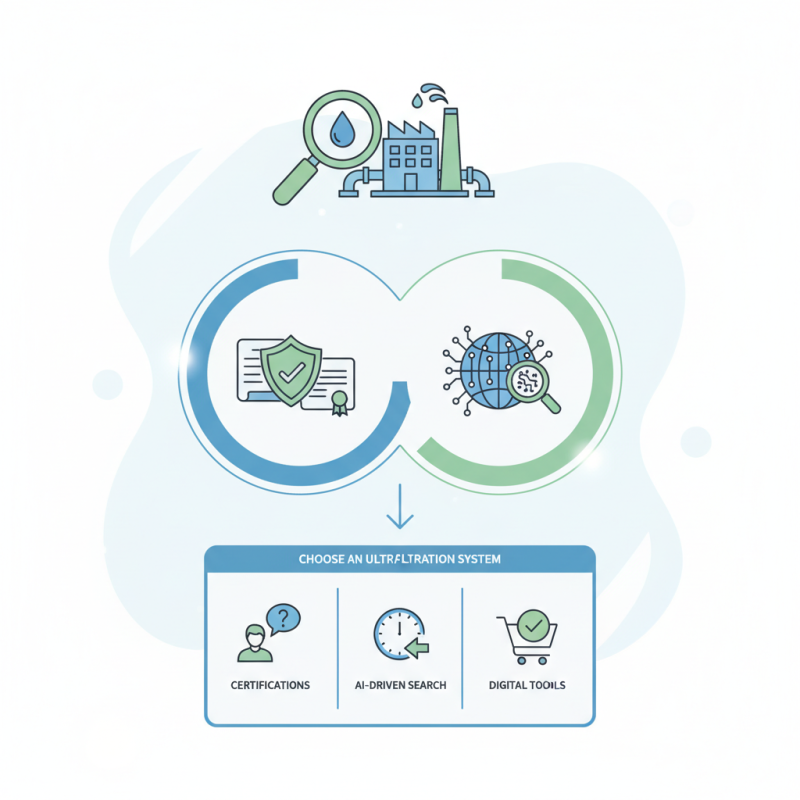
Factors to Consider When Selecting an Ultrafiltration System
When selecting an ultrafiltration system, several crucial factors come into play. Understand your specific needs first. Consider the capacity and flow rate required for your application. Larger systems typically fill needs more effectively but may take up more space. Think about the type of feed water you will use and its quality. Different systems handle different contaminants. Check if additional pretreatment is necessary.
Cost is another important aspect. A lower initial price may lead to higher operational costs. Look for a balance between upfront investment and long-term savings. Maintenance requirements also vary widely. Some systems demand frequent filter changes, while others offer longer life spans. Don’t overlook the support offered by manufacturers. Good customer service can make complex installations smoother.
Lastly, investigate the system’s certifications. Regulatory compliance is crucial, as it ensures safety and performance. Systems lacking proper certification may not meet industry standards. Reflect on your decision-making process. Gather feedback from peers. This can help identify overlooked details or aspects you may not have considered.
Understanding the Different Types of Ultrafiltration Systems Available
Ultrafiltration systems are essential for various applications, especially in water treatment. There are several types of ultrafiltration systems available. Each serves a unique purpose but may also have limitations. Understanding these types can greatly benefit your selection process at the Canton Fair.
There are two primary types: hollow fiber and flat sheet membranes. Hollow fiber membranes are often compact and can handle high flow rates. They are versatile and commonly used in both industrial and residential settings. In contrast, flat sheet membranes provide a larger surface area. They are ideal for applications requiring higher filtration efficiency. However, maintenance can be more complex with these systems.
When exploring options, consider the specific needs of your business. Think about the water source and required output quality. Don't overlook the system's energy consumption and operational costs. Each type has pros and cons. Make sure you reflect on these factors during your visit. Choosing the right ultrafiltration system is not just about the initial investment. It involves ongoing evaluation and adjustments to ensure the best performance.
Evaluating Performance Metrics for Ultrafiltration Systems
When evaluating ultrafiltration systems, performance metrics are crucial. The system's efficiency determines water quality. Key metrics include rejection rates, flow rates, and membrane lifespan. Studies show that high-quality membranes can reach up to 99% rejection of contaminants. However, unexpected fouling can reduce this efficiency significantly.
Flow rate matters significantly for practicality. Systems must provide adequate flow for daily needs while maintaining quality. Typical household systems deliver between 50 to 100 gallons per day. Yet, some users report lower than expected outputs. This can stem from poor system design or inadequate maintenance protocols.
Another factor is membrane lifespan. Many systems advertise a lifespan of 5 to 10 years. However, real-world conditions often lead to premature failures. Factors include water chemistry and operational protocols. Regular monitoring can extend the membrane's life and ensure consistent performance. Users should be cautious about claims that seem too good to be true.
Identifying Reliable Manufacturers at the Canton Fair
Attending the Canton Fair offers a unique chance to find reliable ultrafiltration systems. When you’re there, look beyond the shiny booths. Observe the manufacturers' authenticity and product quality. Engaging in conversations with representatives can reveal their commitment and expertise. Genuine manufacturers are often willing to discuss details about their technologies and certifications.
It’s crucial to verify the suppliers. Check for certifications and quality control practices. Ask about their production processes and sourcing of materials. Don't hesitate to request product samples. Test them if possible. This step can often highlight the differences between good and great products.
Many companies might seem appealing at first glance. However, their products may not meet expectations. Follow your instincts and do not rush your decisions. Take your time to compare manufacturers. A cautious approach can lead to a successful partnership. Building a reliable network at the fair is an investment worth making.
Best Practices for Negotiating and Making a Purchase at the Fair
Negotiating at the Canton Fair can be daunting. Start by researching the ultrafiltration systems that interest you. Know their specifications and average prices. This gives you confidence during negotiations.
Here are some tips. Engage with multiple suppliers to compare prices and features. Be polite but firm in your discussions. If a price seems high, express this concern. Often, suppliers will provide discounts to keep you interested.
Be prepared for a long process. Sometimes, negotiating takes time. Suppliers may offer better deals if you show genuine interest. Don’t rush. Reflect on your options before making a decision. Take notes on each supplier and their offerings. This can help when making your choice.
