China’s manufacturing scale makes it a serious destination for custom engineering partnerships. The UNIDO International Yearbook of Industrial Statistics 2024 reports that China produced about 31.6% of global manufacturing value added in 2023. That scale supports deeper supplier networks, faster prototyping, and broader fabrication capacity.
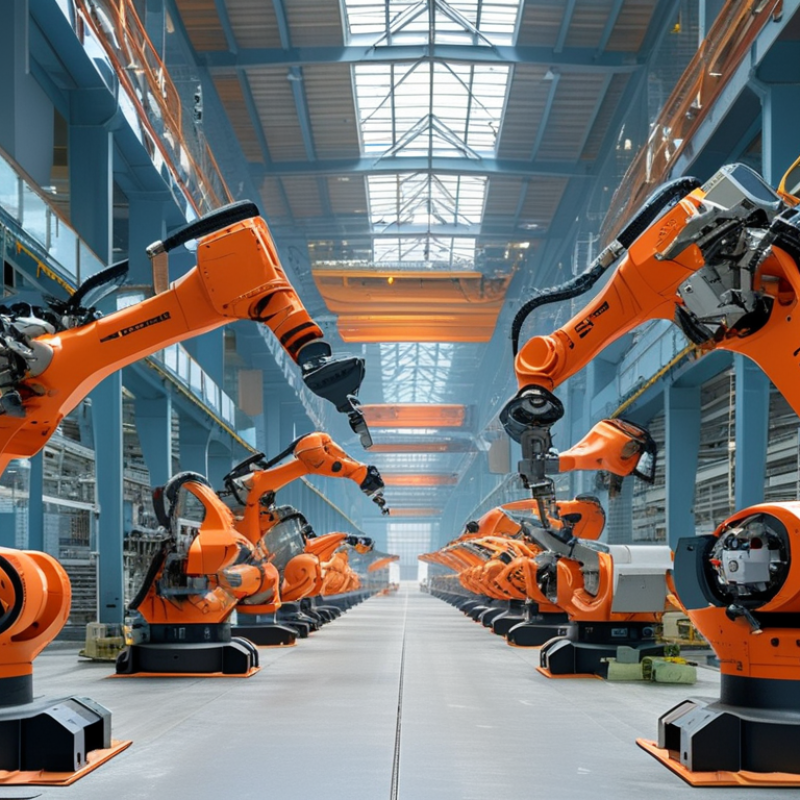
Automation strengthens the case. The International Federation of Robotics reported 276,288 industrial robot installations in China during 2023. This represented more than half of global installations. Yet robot density alone does not prove engineering quality. Design control, material traceability, testing discipline, and after-sales support matter more for complex projects.
This guide examines China’s top 10 custom engineering manufacturers through those practical indicators. It considers machinery, automation systems, precision components, certifications, export experience, and project communication. The list is not a permanent verdict. Supplier performance can change quickly.
Engineering historian J. G. Crowther wrote, “The engineer has been, and is, a maker of history.” His statement remains relevant to custom engineering, where a drawing becomes a machine, line, or working structure. However, history is not built by technology alone. It depends on careful requirements, verified calculations, and honest risk reporting.
Readers should treat rankings as a starting point, not a purchasing decision. Factory visits, sample inspections, and reference checks remain essential. Small details often expose large weaknesses. A polished website is not evidence. Neither is a low quotation.
China Top 10 Custom Engineering Manufacturers?
Custom engineering manufacturing in China refers to producing parts, equipment, or assemblies designed for a specific technical requirement. It differs from standard manufacturing because the product usually begins with a drawing, sample, performance target, or unfinished concept. The scope may include design support, material selection, CNC machining, sheet metal fabrication, injection molding, welding, surface treatment, assembly, and functional testing. It can serve medical equipment, automation, energy systems, transportation, and industrial machinery.
The process often starts with design-for-manufacturing feedback. Engineers review tolerances, wall thickness, material behavior, and production volume before quoting. A reliable manufacturer should provide controlled drawings, inspection records, traceable materials, and clear revision management. On a factory visit, practical details matter: calibrated measuring tools, marked storage areas, first-article inspection, and operators who understand the drawing. These signs are more useful than polished claims.
The boundary is not always clean. Some suppliers call simple fabrication “engineering manufacturing,” although they offer little design responsibility. A low price may also hide weak inspection or unstable subcontracting. For a top-ten comparison, buyers should examine technical capability, communication, lead-time control, quality systems, and after-sales support. Ask for sample reports. Check the details. A capable partner should explain risks openly, including tolerance conflicts, tooling limits, and possible material substitutions. Mistakes still happen, and honest correction is part of professional manufacturing.
China’s leading custom engineering manufacturers combine design, machining, fabrication, and assembly under one project plan. Their strongest capability is converting rough sketches into stable production data. Engineers review tolerances, materials, load conditions, and finishing requirements before quoting. This approach reduces costly changes after tooling begins. A capable factory may offer CNC machining, sheet metal forming, welding, casting, molding, or electromechanical assembly. More importantly, it connects these services with inspection records.
Tips: Request process examples, not only equipment lists. Ask for a capability matrix and realistic lead-time range. Review first-article reports, material certificates, and final inspection records. Confirm who controls tooling, drawings, and revision changes. Small details matter. No supplier is perfect.
Reliable manufacturers also support design for manufacturing. They may simplify a part without weakening its performance. Coordinate measuring machines, calibrated gauges, and documented corrective actions improve consistency. Material traceability and approved suppliers reduce production risks. Prototype testing is useful before larger orders begin.
However, a clear drawing does not remove every misunderstanding. Teams still need sample approvals, written specifications, and regular technical communication. Price alone can be misleading. A lower quote may hide limited inspection, thinner material, or inconsistent packaging. Surface treatment, labeling, and export documents should also be defined before production starts.
Selecting the top 10 custom engineering manufacturers requires more than comparing prices or factory size. A reliable assessment begins with proven experience in similar projects. Review completed designs, material choices, tolerance control, and production challenges. Ask whether the manufacturer has built parts for demanding environments, not only simple prototypes.
Engineering capability should be checked through drawings, simulation records, testing reports, and sample inspections. A strong supplier can explain how it manages design changes, tooling, surface treatment, and quality deviations. Inspect the workshop when possible. Look for calibrated measuring equipment, organized production areas, and clear identification of materials. Small details matter.
Quality systems also deserve careful review. Check traceability from raw material to final shipment. Confirm staff training, inspection procedures, corrective actions, and delivery performance. Independent certifications can support credibility, but certificates alone prove little. Speak with previous customers and request evidence of consistent results. Communication is another practical criterion. Engineers should answer technical questions clearly and document decisions.
Cost still matters, but the lowest quotation may hide weak testing or unstable processes. A balanced scorecard can compare technical expertise, capacity, quality, compliance, lead time, and after-sales support. No ranking is perfect. A manufacturer may perform well on complex machining yet struggle with urgent changes. That weakness should remain visible. Careful selection takes time, but rushed evaluation often creates longer delays and expensive rework.
China’s custom engineering manufacturers serve a wide range of industrial sectors. Their work often begins with a drawing and ends beside a production line. They build process skids, automated fixtures, pressure vessels, test benches, and precision-machined assemblies. Food processing, chemical production, pharmaceuticals, energy, transportation, and electronics remain major demand areas. Requirements differ sharply. A food line needs cleanable surfaces, while an electronics fixture may require micron-level repeatability.
Energy transition projects are expanding this customer base. The International Energy Agency reported that China represented more than 60% of global electric car sales in 2023. This supports demand for battery-production equipment, thermal-control systems, inspection machines, and material-handling automation. The IEA also reported China’s dominant position in solar manufacturing, including wafers and modules. Custom suppliers therefore serve photovoltaic plants with coating equipment, frame systems, quality stations, and factory utilities. These figures show market scale, but they do not prove every supplier is capable.
Industrial infrastructure creates another important sector. The Global Wind Energy Council recorded more than 75 gigawatts of new wind capacity installed in China during 2023. Manufacturers support this field through large weldments, machining services, lifting fixtures, and hydraulic assemblies. Their experience with steel, tolerances, and site installation can be valuable. Still, a strong welding shop may lack software validation or cleanroom discipline. That distinction is easy to miss. Buyers should examine traceability records, inspection plans, material certificates, and factory acceptance testing before approving a complex project. Industry reports offer useful context, not a substitute for direct technical evidence.
Comparing China’s top 10 custom engineering manufacturers requires more than checking annual revenue. UNIDO’s International Yearbook of Industrial Statistics 2024 reports that China produced about 31.6% of global manufacturing value added in 2022. Scale is impressive, but it does not prove design capability. Compare each supplier’s experience with similar materials, tolerances, certifications, and production volumes. Ask for sample inspection reports, process flow charts, and engineering change records. Real evidence matters.
A practical scorecard should measure technical communication, prototype speed, tooling control, quality consistency, and after-sales response. The World Bank’s Logistics Performance Index 2023 gave China a score of 3.7 out of 5, showing strong logistics performance but not perfect reliability. Check packaging standards, export documentation, and delivery history using recent orders. Also compare total landed cost, not only the factory quotation. A cheaper part may hide rework, inspection, or freight expenses. I have seen attractive quotes become expensive after revisions.
Tips: Request a small pilot batch. Review dimensional data independently. Confirm material traceability and corrective-action procedures. Use weighted scoring, such as 30% engineering, 25% quality, 20% delivery, and 15% cost. Reserve 10% for communication and risk. These weights are not universal. Your product may need different priorities. A supplier with excellent machining may still struggle with documentation or unfamiliar compliance requirements. Ask difficult questions early, and record every answer in writing.