
10 Best Hot Stamping Plates for Global Buyers?

Packaging buyers are under pressure to improve shelf appeal without slowing production. Smithers’ report, The Future of Global Packaging to 2028, projects the global packaging market will exceed US$1.2 trillion in 2028. That scale matters: even a small finishing decision can affect product presentation, line efficiency, and waste. A Hot Stamping Plate is one such decision. Its material, engraving detail, and compatibility with the press and substrate can influence how cleanly a design transfers.

But no plate is best for every job. A fine logo on a coated carton needs different considerations from a broad metallic area on a paper label. Temperature, pressure, dwell time, and substrate consistency all matter. Details matter. A plate that performs well in one test may disappoint on a longer production run. Buyers should compare more than price: review plate construction, dimensional stability, available artwork detail, supplier quality controls, and technical support. Ask for a sample or production trial when specifications allow.

This guide presents ten options for global buyers, with practical factors to weigh across different applications. It is not a simple ranking. Supplier claims and test conditions can vary, and published market forecasts do not establish product performance. Use the comparisons as a starting point, then confirm compatibility with your equipment, artwork, and material through documented trials.
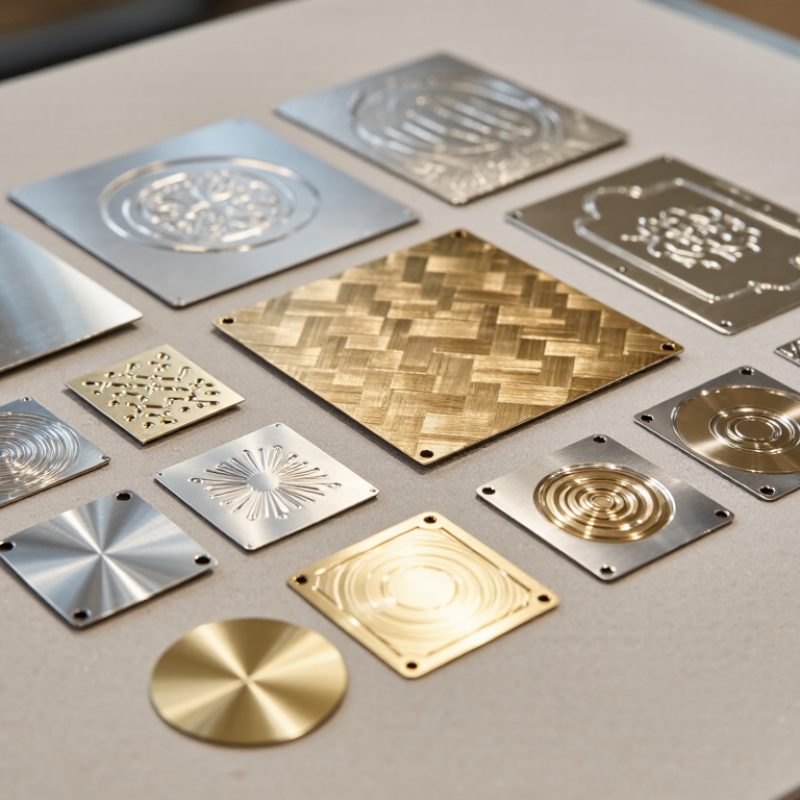
10 Best Hot Stamping Plates for Global Buyers?

What Hot Stamping Plates Are and How They Work

A hot stamping plate is a precision tool that carries a raised or recessed design. It is usually made from metal, with the choice depending on detail, production volume, and the material being stamped. The plate is mounted in a press and heated to a controlled temperature. That matters.

During stamping, the plate presses foil or another transfer layer against a surface. Heat softens the layer’s bonding coating, while pressure and contact time help it adhere in the intended shape. The plate does not supply the color; it defines where the transfer lands. On a small carton, for example, fine lettering may need a carefully engraved plate and steady alignment. A slight shift can leave edges doubled or uneven.

Results depend on more than plate quality. Temperature, pressure, dwell time, substrate texture, and foil compatibility all affect the impression. Operators typically test these settings on the actual stock, then inspect details such as thin lines and filled areas. A plate can look perfect on the bench and still produce weak marks on rough paper. That part is easy to underestimate. Setup notes also help repeat a successful result, though small changes in material can require another test.

Key Criteria for Evaluating Hot Stamping Plates

A hot stamping plate should be judged by the work it must perform, not by appearance alone. Start with the substrate: paper, coated board, leather, and plastics respond differently to heat and pressure. A plate that produces crisp lines on one stock may leave weak edges or uneven foil on another. Fit matters.

Check detail and tolerances. Fine lettering, narrow borders, and small counters need clean engraving and consistent contact across the surface. Ask how flatness is measured, and compare the plate dimensions with the press setup. Even a slight mismatch can cause uneven impressions near the corners. Test it.

Material choice affects service life and setup. Brass is often selected for detailed work and balanced durability, while harder metals may suit long runs. The right option depends on design, press conditions, and expected volume. Do not assume the hardest plate is always best; it may add cost without improving the finished result.

Request a sample impression using the actual foil, stock, and operating temperature. Inspect filled areas, fine strokes, registration, and the reverse side for unwanted marking. Also review engraving depth, mounting requirements, cleaning guidance, and the supplier’s inspection records. These details are easy to overlook. Plate performance can vary between jobs, so record settings and results rather than relying on memory.

Ten Hot Stamping Plates Compared by Material and Application

A useful comparison starts with the job, not a universal ranking.

Magnesium plates suit short runs on paper and lightweight cartons, where quick engraving can help control setup costs. They need careful handling and may wear faster. Zinc plates offer a middle ground for medium-detail labels and packaging. Brass plates are a strong choice for fine lettering, while thicker brass can support broader foil areas and repeated production. Copper transfers heat efficiently, which can help with detailed impressions, but the press settings still need testing.

For longer runs, a steel plate can withstand substantial use, though its machining may cost more. A steel die with deeper engraving can suit work that needs a pronounced impression. A silicone-faced die can conform to curved or uneven surfaces, but it may not hold tiny details as sharply.

These make six material-and-use combinations so far; the final four depend on thickness and engraving style: thin magnesium for prototypes, thicker zinc for textured stock, fine-engraved brass for small type, and copper for intricate motifs.

Fit matters. Ask for sample impressions on the actual substrate, and compare edge sharpness, foil coverage, and cycle time. I would not choose from material names alone; plate thickness, press temperature, pressure, and artwork can change the result.

Test first.

How to Match a Plate to Your Stamping Requirements

Matching a hot-stamping plate starts with the material, not the catalogue. Paperboard, coated stock, and textured surfaces transfer heat differently. Check the substrate’s thickness, coating, and surface before choosing a plate. Small details matter.

Smithers’ report The Future of Global Packaging to 2028 forecast the market would reach about $1.2 trillion by 2028. That scale makes repeatable decoration valuable, but the forecast does not dictate a plate choice. For short runs or simpler graphics, magnesium can be economical. Brass is often selected for longer runs, fine detail, or repeated production. Actual performance depends on the press, engraving, and operator settings.

Match the plate to the artwork and machine. Fine lettering needs clean edges and even contact; broad solid areas need consistent heat across the image. Confirm plate dimensions, mounting method, and press compatibility with the supplier. Then test on the actual stock, using small samples to adjust temperature, pressure, and dwell time. A useful trial records each setting and checks for incomplete transfer, crushed stock, or foil spread. Buyers sometimes over-focus on plate price. I would question that. A cheaper plate can cost more if setup waste or rework rises.

10 Best Hot Stamping Plates for Global Buyers? — How to Match a Plate to Your Stamping Requirements

The right plate depends on the substrate, artwork detail, production volume, press setup, and required service life. Use this comparison as a shortlist; available thicknesses and performance vary by plate maker and process.

Comparison of common hot-stamping plate materials and constructions
Plate type Typical construction Good fit for Advantages Limitations to check What to confirm before ordering
Magnesium engraving plate Photo-etched magnesium sheet, commonly supplied in several standard thicknesses Short to medium runs on paper, cards, and some packaging jobs Lightweight; relatively quick to make; useful for fine artwork and shorter lead times Generally less durable than copper, brass, or steel; can be more sensitive to handling and corrosion Required relief depth, minimum line and gap, plate thickness, mounting method, and expected impression count
Copper engraving plate Engraved or etched copper plate; may be mounted on a carrier or base Detailed graphics and repeat work where a durable, accurately made die is needed Good detail reproduction; suitable for precision engraving; typically more durable than magnesium Cost and lead time can be higher than simpler etched options; results depend on engraving and press setup Engraving method, relief depth, plate flatness, mounting height, and compatibility with the press
Brass engraving plate CNC-engraved or chemically etched brass plate Longer production runs, repeat jobs, and applications needing a robust metal die Hard-wearing; holds detail well when correctly machined; suitable for repeated use Usually requires more machining time and investment; may need more press force than a softer plate Alloy, engraving depth, relief geometry, working temperature, and whether a counter-die is required
Steel engraving plate Machined or engraved steel plate, often selected for demanding production conditions High-volume work or applications where a hard-wearing plate is a priority High wear resistance and strong dimensional stability when properly made and supported Machining can be more demanding; verify heat transfer, press capacity, and surface finish for the job Steel grade, hardness, plate thickness, relief, heat-up behavior, and press tonnage limits
Zinc engraving plate Photo-etched zinc sheet, available in plate thicknesses suited to different tooling setups Short-run work and artwork that can be produced within the plate maker’s etching limits Can be a practical etched-metal option; relatively straightforward to process Durability and fine-detail capability are process-dependent; verify suitability for the substrate and run length Etch quality, minimum feature size, relief depth, corrosion protection, and expected run length
Nickel electroformed plate Thin nickel shell formed from a master and normally supported by a backing or carrier Specialized fine-detail work and applications requiring a thin, detailed working surface Can reproduce intricate master detail; thin construction can be useful in selected tooling systems Requires a suitable support system; not a universal replacement for a solid engraved metal plate Shell thickness, backing method, temperature limits, attachment, and compatibility with the press
Photopolymer relief plate Light-sensitive polymer plate exposed and developed to form raised image areas Some short-run, lower-pressure, or specialty applications where the process is validated Can be made from digital artwork; useful where a non-metal relief plate meets the job requirements Heat and pressure resistance vary by polymer; may not suit demanding or long-run hot stamping Manufacturer’s temperature and pressure limits, relief depth, mounting, and foil compatibility
Silicone rubber stamping plate Heat-resistant silicone plate or shaped pad, sometimes bonded to a rigid support Uneven, curved, or delicate surfaces where a compliant contact face is beneficial Conforms more readily to irregular surfaces than a rigid metal plate Not the usual choice for sharp, fine-edged metal-die work; wear and detail depend on the silicone grade Hardness, thickness, heat rating, backing, surface shape, and intended foil-transfer process
Brass plate on a steel or aluminum carrier Working brass die fixed to a separate rigid carrier or mounting base Presses that need a particular overall tooling height or a stable mounting arrangement Combines a durable working face with a carrier selected for installation and support needs Carrier material does not replace the working die; assembly flatness and heat transfer matter Total assembled height, fastening method, thermal expansion, flatness, and press-bed compatibility
Replaceable engraved die insert Small engraved metal insert fitted into a reusable holder or base Jobs with small image areas, repeated design changes, or a tooling system designed for inserts Can reduce the amount of tooling replaced when artwork changes; holder may be reused Only works with a compatible holder; small inserts need secure, accurate seating Insert dimensions, holder system, alignment method, working-face material, and replacement availability

Selection note: No plate is best for every job. Share the substrate, artwork file, image size, target quantity, press model or tooling dimensions, foil type, and any required impression life with the plate maker. Confirm the recommended plate, relief, mounting height, and operating limits before production.

Global Sourcing, Quality Checks, and Supplier Considerations

When sourcing hot stamping plates globally, compare more than quoted price and delivery promises. Ask suppliers for a dimensioned drawing, material specification, engraving depth, and stated flatness tolerance. Confirm how each plate will be packed; thin edges can chip during long-distance shipping. Request a first-article sample and test it on your actual foil, stock, and press settings. Small details matter.

Quality checks should connect directly to production needs. Inspect plate dimensions, relief depth, edge finish, and registration features against the approved drawing. Keep signed sample records and label revisions clearly, especially when orders cross time zones. The World Bank’s 2023 Logistics Performance Index analysis puts the median journey from export-country entry to import-country arrival at 44 days. That makes realistic lead-time buffers and shipment tracking practical safeguards, not mere paperwork. A polished sample can still disappoint on press; testing remains essential.

Tips: Send artwork as a controlled file, then approve a marked-up proof before engraving. Ask how defects are handled and whether replacement timing is documented. Compare payment terms, export packaging, communication hours, and inspection access alongside technical capability. If a supplier cannot explain its measurement method, pause and clarify it. I would not treat the lowest bid as the safest choice.