Why Air Tech is Revolutionizing the Future of Sustainable Transportation?
As the world increasingly grapples with the urgent challenges posed by climate change and the need for sustainable development, innovative solutions are emerging to transform the landscape of transportation. Among these, air tech stands out as a revolutionary force driving the future of sustainable transit options. This technology encompasses various advancements such as electric vertical takeoff and landing (eVTOL) aircraft, aerial drones, and other air-based transport systems that promise to deliver eco-friendly alternatives to traditional ground transportation.
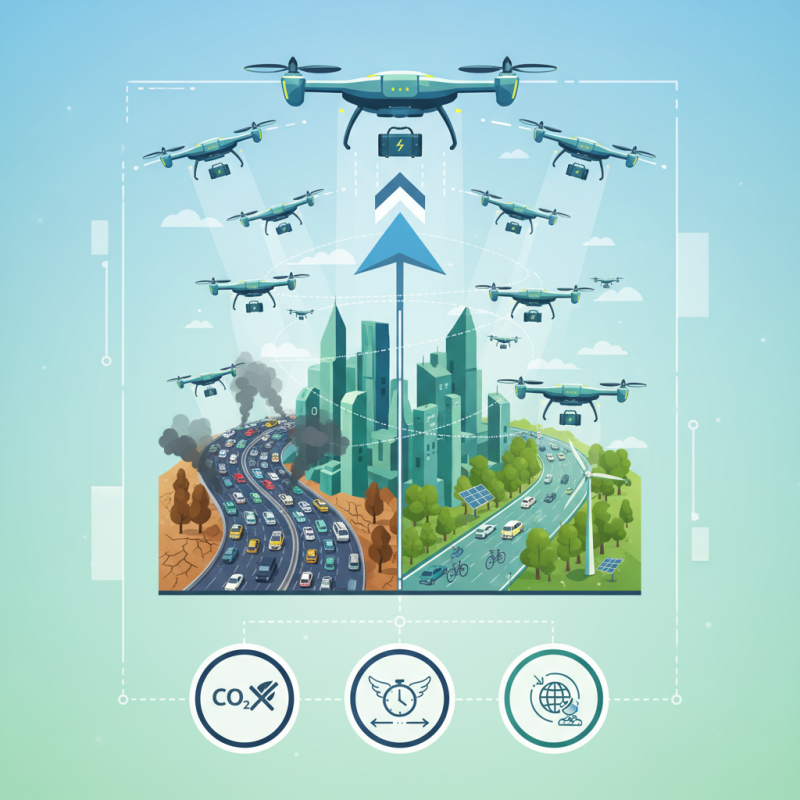
Air tech has the potential to significantly reduce carbon emissions and alleviate urban congestion, presenting a compelling case for its adoption in modern transportation networks. By harnessing the vertical space available in cities, air tech not only facilitates swift mobility but also minimizes the environmental footprint associated with traditional vehicular traffic. As we navigate the complexities of integrating these new air-based transport systems into existing infrastructures, the potential benefits for society are immense—ranging from reduced travel times to enhanced accessibility in remote areas.
In this context, exploring the transformative role of air tech in sustainable transportation reveals a promising trajectory for the future. Embracing these innovations not only supports the global push towards greener practices but also opens new avenues for efficient transportation solutions that resonate with the needs of a rapidly changing world.
The Concept of Air Technology in Sustainable Transportation
Air technology is emerging as a groundbreaking concept in the realm of sustainable transportation, driven by the urgent need to reduce environmental impacts associated with traditional fuel-based systems. This innovative approach utilizes lightweight materials and advanced aerodynamics to enhance the efficiency of vehicles, ultimately decreasing energy consumption. By harnessing the principles of lift and drag, designers can create transportation solutions that minimize friction, enabling vehicles to travel further on less energy. This shift towards efficiency not only provides economic benefits but also plays a significant role in reducing greenhouse gas emissions.
Furthermore, the integration of air technology with renewable energy sources amplifies its potential for sustainable transportation. Innovations such as electric vehicles and drones are increasingly incorporating air-based mechanisms that allow for better energy capture and utilization. By optimizing flight paths and vehicle designs, these technologies pave the way for cleaner urban air travel and reduce dependency on fossil fuels. The collaboration between air technology and sustainable practices signifies a promising future where transportation systems can operate harmoniously with the environment, promoting a cleaner, more efficient world for generations to come.
Why Air Tech is Revolutionizing the Future of Sustainable Transportation? - The Concept of Air Technology in Sustainable Transportation
| Dimension |
Description |
Impact |
Future Potential |
| Energy Efficiency |
Utilizes advanced aerodynamics to reduce energy consumption. |
Reduces operational costs and carbon footprint. |
High potential for lower emissions in various transport sectors. |
| Noise Pollution |
Incorporates quiet propulsion systems and streamlined designs. |
Significantly decreases noise in urban environments. |
Potential to improve quality of life in densely populated areas. |
| Material Innovation |
Utilizes lightweight and sustainable materials for construction. |
Enhances overall efficiency and decreases wear over time. |
Opens avenues for recycling and reusability in transport design. |
| Air Quality |
Significantly reduces emissions through cleaner technologies. |
Improves air quality in urban and industrial areas. |
Potential for widespread adoption in cities worldwide. |
| Integration with Urban Infrastructure |
Seamlessly blends with existing transport networks and smart city designs. |
Enhances connectivity and accessibility for urban dwellers. |
Promotes sustainable urban development and effective public transit. |
Key Innovations in Air Transportation for Eco-Friendly Travel
The push for sustainable transportation has led to groundbreaking innovations in air transportation that are set to reshape the future of travel. One of the key developments is the integration of electric propulsion systems, which drastically reduce greenhouse gas emissions compared to traditional jet fuel. By utilizing batteries and hybrid power systems, aircraft are becoming more energy-efficient, allowing for quieter and cleaner flights. Innovators are also exploring hydrogen fuel cells as a potential source of energy, further decreasing reliance on fossil fuels and making air travel more environmentally friendly.
Another significant innovation is the growing use of advanced materials that enhance aerodynamics and reduce weight. These materials improve fuel efficiency and extend the range of aircraft, making eco-friendly travel more accessible. In addition, digital technologies such as artificial intelligence are being implemented to optimize flight routes and reduce fuel consumption, enabling airlines to operate in a more sustainable manner.
Tips for travelers:
1. Whenever possible, choose airlines that prioritize sustainability initiatives, as they often invest in greener technologies.
2. Consider offsetting your carbon footprint through various environmental programs that help plant trees or support renewable energy projects.
3. Stay informed about emerging green technologies in aviation, as being aware of these advancements can inspire you to support eco-friendly travel options.
Benefits of Air Tech Over Traditional Transportation Methods
Air transportation technology, often referred to as Air Tech, is emerging as a transformative force in sustainable transportation. One of the primary advantages of Air Tech over traditional methods is its potential for significantly reduced carbon emissions. According to a report by the International Air Transport Association (IATA), advancements in electric air mobility could decrease emissions by up to 90% compared to conventional aviation. This leap towards electrification not only addresses urgent climate concerns but also aligns with global efforts to achieve net-zero emissions by 2050.
Furthermore, Air Tech offers remarkable efficiency and speed that traditional transport methods struggle to match. The World Economic Forum predicts that urban air mobility could cut commuting times by 50% in densely populated areas, consequently reducing traffic congestion. This efficiency is further enhanced by the potential to utilize vertical take-off and landing (VTOL) technologies, allowing operations from smaller, decentralized locations, which can alleviate the burden on existing transport infrastructures. As cities embrace these innovations, the result will be not only environmental benefits but also improved urban mobility and quality of life for residents.
Challenges Facing the Adoption of Air Technology in Transport
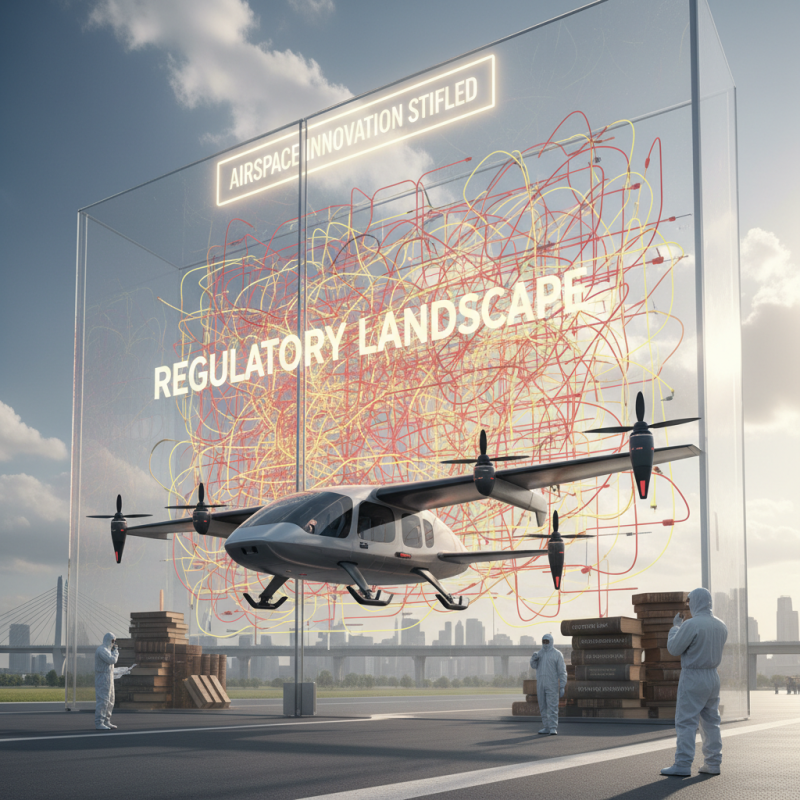
As air technology continues to evolve, its integration into transportation systems presents significant challenges that must be addressed for widespread adoption. One of the primary hurdles is the regulatory landscape, which is often slow to adapt to rapid technological advancements. Governments and regulatory bodies need to establish clear frameworks and safety standards that encompass the unique characteristics of air vehicles. Without a cohesive regulatory approach, innovation may become stifled, as developers remain uncertain about compliance requirements and the certification process.
Moreover, public perception and acceptance play a crucial role in the implementation of air technology in transportation. Many individuals harbor concerns regarding safety, noise pollution, and environmental impact, which can hinder the willingness to embrace this novel mode of transport. Comprehensive public engagement and education initiatives are essential to address these fears and demonstrate the benefits of air technology, such as reduced congestion and lower carbon emissions. Addressing these challenges through collaboration among stakeholders, including manufacturers, policymakers, and communities, will be key to realizing the potential of air technology in transforming sustainable transportation.
Future Trends and Developments in Air-Based Sustainable Mobility
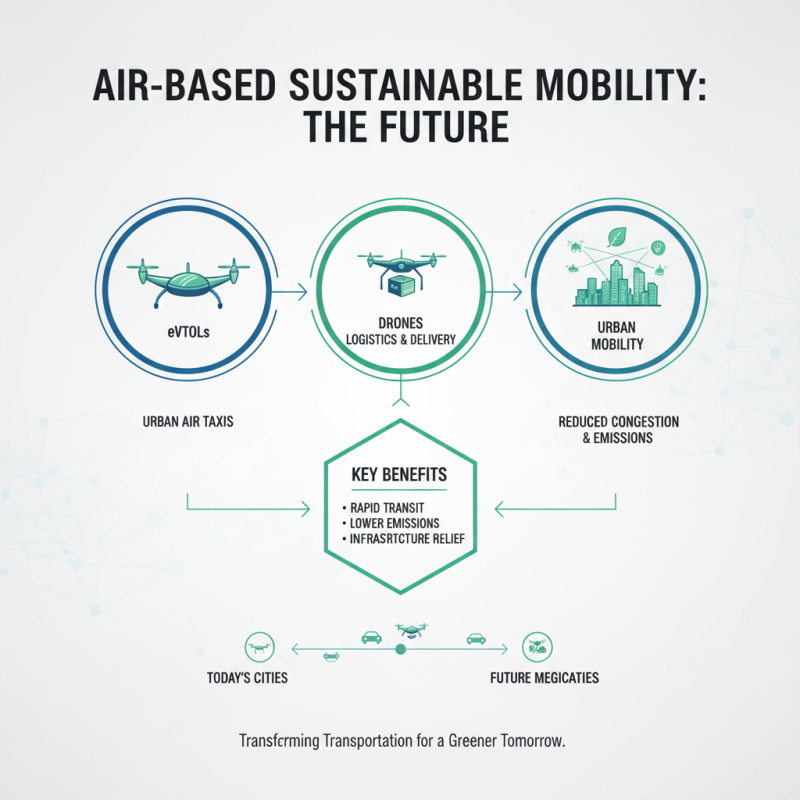
The evolution of air-based sustainable mobility is set to transform the landscape of transportation over the coming years. Innovations in electric vertical takeoff and landing (eVTOL) aircraft and drone technologies are paving the way for a new era of urban air mobility. These advancements not only promise to reduce congestion on the ground but also aim to lower emissions significantly. As cities become more populated, the integration of air transport systems can alleviate the strain on existing infrastructure, enabling rapid transit across urban areas while maintaining a minimal environmental footprint.
Furthermore, the development of more efficient battery technologies and renewable energy sources is crucial in advancing air transport sustainability. Researchers and engineers are exploring alternatives to traditional fuel methods, focusing on hydrogen fuel cells and solar power as viable options for powering aerial vehicles. This shift toward cleaner energy is complemented by advancements in aerodynamics and lightweight materials, which further enhance the efficiency of air transport. As regulatory frameworks evolve to accommodate these new technologies, the future of air-based sustainable mobility stands poised for significant growth, ushering in a new chapter in eco-friendly transportation solutions.