Top 5 Hydraulic Proportional Valve Advantages You Should Know?
Hydraulic Proportional Valves have become indispensable in various industrial applications. According to a recent market analysis by Grand View Research, the hydraulic valves market is expected to grow significantly, reaching USD 18.37 billion by 2025. This growth highlights the increasing demand for precision control in hydraulic systems.
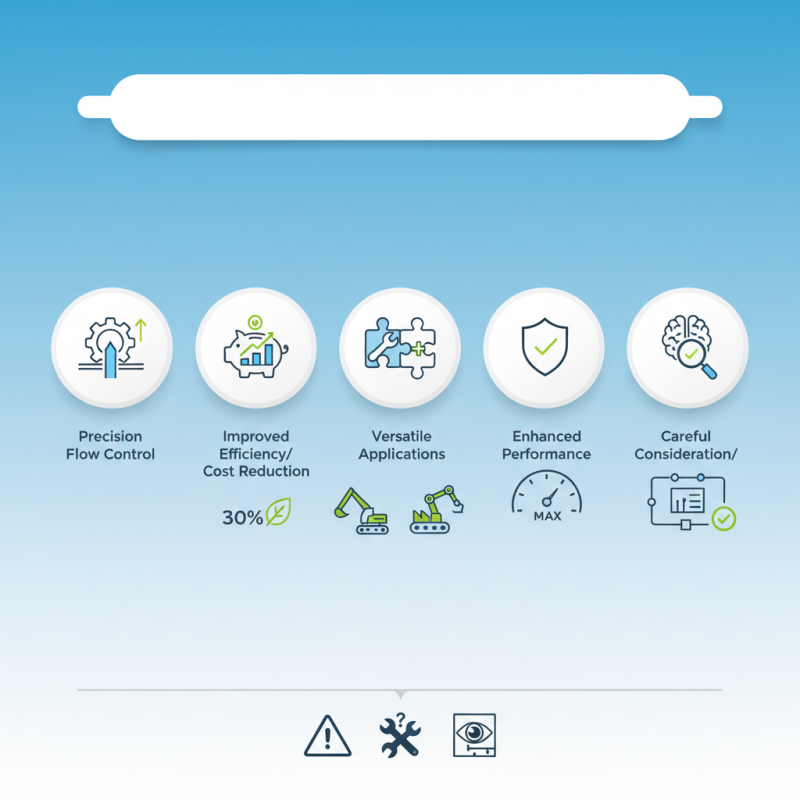
One of the primary advantages of Hydraulic Proportional Valves is their ability to provide precise flow control. This precision allows for improved efficiency in applications ranging from mobile machinery to manufacturing systems. Industry reports show that systems utilizing proportional valves can experience energy savings up to 30%. This statistic illustrates the potential for cost reduction and enhanced performance.
However, it is important to note that the integration of Hydraulic Proportional Valves requires careful consideration. Improper installation or maintenance can lead to performance issues. Additionally, not all systems benefit equally. Some users may overlook the specific needs of their applications, leading to suboptimal results. Understanding these nuances is vital for maximizing the advantages offered by these valves.
Understanding Hydraulic Proportional Valves and Their Functionality
Hydraulic proportional valves are crucial components in many hydraulic systems. They control the flow and pressure of hydraulic fluid with precision. This control leads to smoother and more responsive operation of machines. Instead of just on or off, these valves allow for a range of flow rates. This creates flexibility in applications like construction and manufacturing.
The functionality of hydraulic proportional valves centers on their electronic control. Sensors monitor system conditions, providing real-time feedback. This can lead to a better overall performance of equipment, especially when load conditions change. However, the complexity of these systems can introduce potential issues. It requires careful tuning to function optimally. If not set correctly, performance can degrade, leading to inefficiency.
For instance, if a valve underestimates the required flow, machinery can react sluggishly. It is essential to regularly maintain and calibrate these valves. Too often, operators overlook these details. They assume everything is working well until a problem arises. Understanding the dynamics of hydraulic proportional valves can enhance their longevity and functionality within a system.
Key Benefits of Using Hydraulic Proportional Valves in Industries
Hydraulic proportional valves offer significant advantages in various industrial applications. One key benefit is their ability to provide precise control of fluid flow and pressure. This precision allows for improved efficiency in machinery operations. A report from the International Fluid Power Society shows that systems using proportional valves can enhance control accuracy by up to 70%.
Another standout feature is energy savings. By better managing hydraulic flow, these valves can reduce energy consumption by as much as 30%. This is especially important in industries where operational costs are critical. A study demonstrated that companies adopting proportional valves cut their overall energy costs significantly, emphasizing the financial benefits alongside performance gains.
However, implementing hydraulic proportional valves isn't without challenges. Initial installation can be complex, often requiring specialized expertise. Inadequate training might lead to inefficient use of these valves. This underlines the need for careful planning and continual assessment of hydraulic systems. Industries must weigh these factors against the potential advantages of enhanced performance and cost savings.
Enhanced Precision and Control in Fluid Power Systems
Hydraulic proportional valves play a pivotal role in enhancing precision and control in fluid power systems. They adjust flow rates according to the signal received, allowing for smoother operation. This means that machinery can respond more accurately to operator commands. Enhanced control minimizes abrupt movements, leading to safer and more efficient operations.
The technology behind these valves isn't flawless. There are challenges, such as drift, which can affect their performance over time. Implementing regular maintenance helps, but it also adds complexity to operations. Although the benefits of fine control are clear, users sometimes overlook the need for ongoing adjustments. Operators should remain vigilant about these issues to optimize system performance.
In addition, the initial setup can be complicated. Correctly configuring these valves requires expertise. Many users may not fully understand their capabilities, resulting in underutilization. A well-calibrated hydraulic proportional valve can significantly enhance precision, but this potential is often lost without proper training. Understanding these nuances is crucial for anyone working in fluid power systems.
Top 5 Hydraulic Proportional Valve Advantages
This chart highlights the top five advantages of hydraulic proportional valves, which are essential for enhanced precision and control in fluid power systems. Each advantage is rated on a scale from 1 to 10, illustrating their impact on performance.
Improved Energy Efficiency Through Proportional Control Technology
Hydraulic proportional valves bring a new level of efficiency. They use proportional control technology to manage power usage more effectively. This results in improved energy efficiency compared to traditional methods. Operators can achieve smoother movements and better precision.
Incorporating proportional control means less energy wasted. This technology allows machinery to adjust flow and pressure as needed. It leads to operational savings and reduced energy costs. However, it's crucial to ensure proper maintenance. Neglecting valve upkeep can diminish these advantages.
Tip: Regularly check for leaks. Even a small leak can reduce efficiency significantly. Consider optimizing control settings for your specific tasks. Finding the right balance may take time, but it's worth the effort. Adjustments can make a real difference in energy consumption.
Top 5 Hydraulic Proportional Valve Advantages You Should Know
| Advantage | Description | Impact on Efficiency |
| Improved Responsiveness | Proportional valves adjust flow rates dynamically, allowing for quick response to system demands. | Enhances system performance by reducing lag time. |
| Energy Efficiency | Minimizes energy loss by optimizing fluid usage based on actual needs rather than full flow operation. | Decreases operational costs and extends equipment lifespan. |
| Enhanced Control | Allows for fine-tuning of flow and pressure settings for precise control in applications. | Improves output quality and operational reliability. |
| Reduced Heat Generation | By using only the required amount of energy, less heat is generated compared to traditional valves. | Increases system efficiency and reduces cooling requirements. |
| Versatility | Can be used in various applications including mobile equipment, manufacturing, and automation systems. | Improves adaptability to different operational demands, enhancing overall system functionality. |
Applications of Hydraulic Proportional Valves in Modern Machinery
Hydraulic proportional valves play a critical role in modern machinery. They provide precise control over fluid flow and pressure. This capability makes them invaluable in various applications.
In construction equipment, these valves allow for smooth operation of functions like lifting and tilting. According to a report from the National Fluid Power Association, approximately 30% of hydraulic systems use proportional valves to enhance operational efficiency. This means better performance and reduced wear on components.
In agriculture, these valves help in controlling machinery such as seeders and harvesters. A study indicated that farms utilizing proportional technology report a 15% increase in productivity. This technology reduces fuel consumption and minimizes environmental impact.
Tips: Regular maintenance of hydraulic systems is key. Neglecting this can lead to inefficient performance. Always check for leaks and monitor fluid quality. Keeping an eye on these factors can prolong the life of your equipment.
